

Period Fatigue
When your period is about to start, your body usually gives you a few hints—maybe you break out a little, feel more sensitive, or notice your mood shifting. For many people, the biggest sign is simple: you feel tired in a way that’s hard to ignore. And not just “I could take a nap” tired, but a kind of full-body fatigue that makes everything from work to basic chores feel heavier than usual.
It turns out that this level of exhaustion is extremely common. Most menstruating adults experience some version of it, and there are real physical reasons behind why your energy drops so low during this time of the month. Understanding those reasons can make your symptoms feel less confusing—and help you figure out what might actually make a difference.
Why You Feel More Tired Than Usual
Period Symptoms Add Up
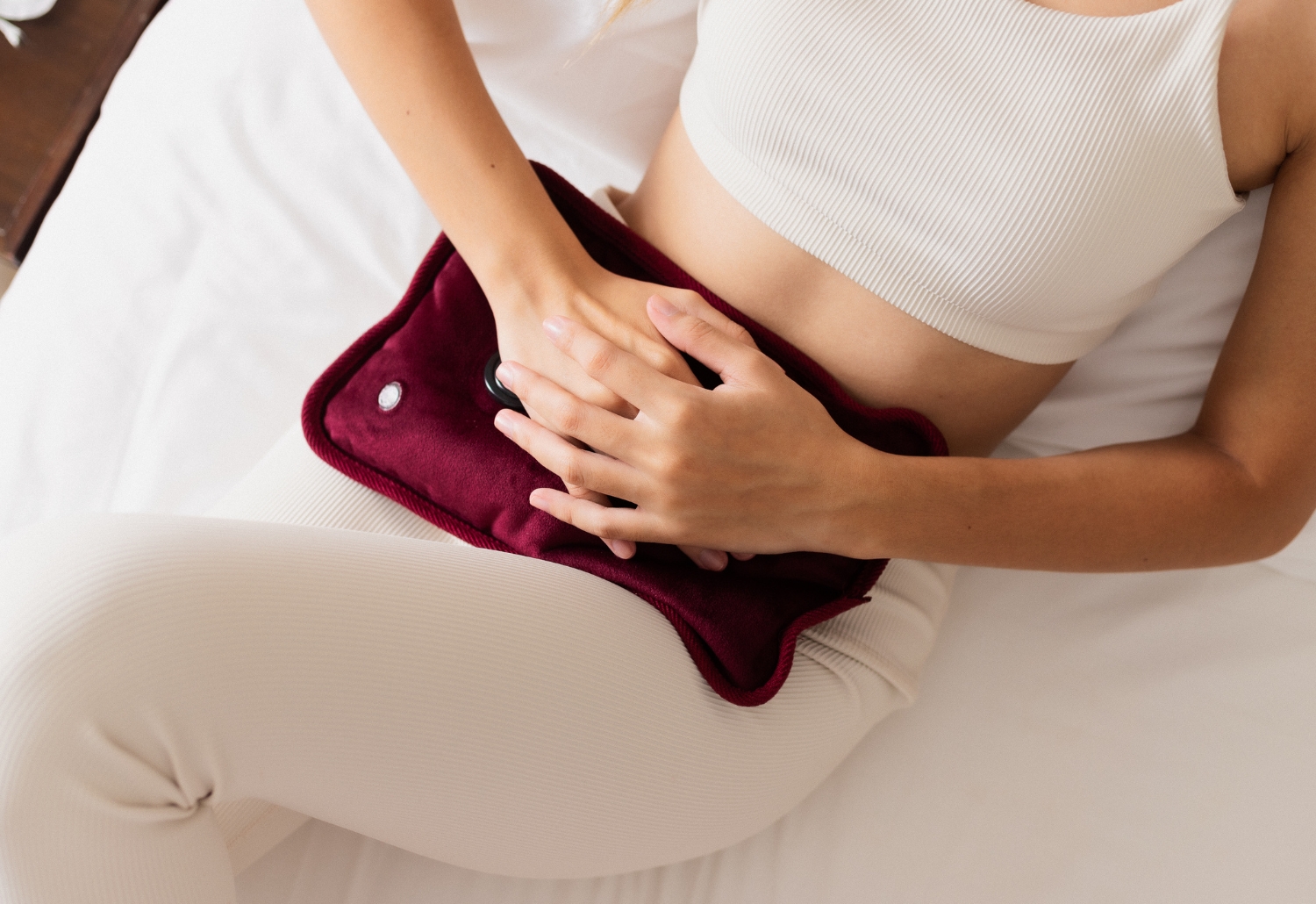
Even on light-flow days, your body is still working hard. Cramping, headaches, bloating, and general discomfort all take energy from you, and that impact builds up through the day. If your symptoms last several days in a row, it’s completely normal to feel like your stamina is dipping.
What can help:
Managing the basics goes a long way. Treating pain early, staying hydrated, and doing light movement can reduce that drained feeling. Getting outside can also support Winter Immunity and help balance your mood, especially if you’re trying to stay ahead of Seasonal Affective Disorder (SAD) prevention during darker months.
Hormones Shift Right Before Your Period
Those sudden drops in estrogen and progesterone right before your period can affect your mood and energy. It’s one of the reasons you may feel sluggish or more emotional, even if everything else in your life is steady.
What can help:
Small habits make a difference. Aim for decent sleep, keep meals balanced, and avoid skipping movement entirely—short walks or gentle stretching are enough. These habits also support recovery after big seasonal meals if you’re dealing with Turkey coma recovery tips or easing into a Post-Thanksgiving Detox.
If Your Flow Is Heavy, Iron Loss May Be Involved
A heavier period means you’re losing more iron, and low iron makes fatigue harder to shake off. Some people also notice dizziness, difficulty concentrating, or feeling cold more easily.
What can help:
If you think iron is part of the issue, a blood test can give you clarity. Low iron is treatable through dietary changes or supplements, but it’s better to confirm your levels instead of guessing.
Menstrual Health
Your Sleep Takes a Hit
Your period can easily disrupt sleep without you realizing it. Body temperature shifts, discomfort, or even vivid dreams can add up to a few nights of poor rest. And when sleep becomes inconsistent, your energy the next day takes an immediate hit.
What can help:
You don’t need a dramatic routine change. Short naps, early nights, and scaling back high-intensity workouts can help you avoid worsening the fatigue. If you track wellness data through devices bought during seasonal offers—like a Black Friday Fitness Tech upgrade or a Black Friday Oura Ring deal—you may notice clear patterns that line up with your cycle.
Sometimes Fatigue Comes From Underlying Conditions
Some health conditions—like endometriosis, thyroid issues, or fibroids—can bring heavier bleeding, more pain, or more frequent exhaustion. Fatigue alone doesn’t confirm anything, but if this tiredness feels much stronger than usual or keeps returning month after month, it’s worth paying closer attention.
When It’s Time To Talk to a Doctor
Most period fatigue is normal, but sometimes the exhaustion is strong enough that you shouldn’t brush it off. Consider seeking medical advice if you notice:
- Fatigue that affects your daily routine for several cycles
- Heavy bleeding that feels unmanageable
- Symptoms of anemia, such as weakness or fast heartbeat
- Emotional symptoms that significantly disrupt your day
Tracking your symptoms can help you spot patterns—especially if you’re trying to balance other seasonal wellness challenges like Winter Vitamin D dosage or adjusting your routine after big holiday weekends.
Taking Care of Yourself Makes the Biggest Difference
Supporting your body during your period doesn’t require a complete lifestyle overhaul. Most improvements come from simple habits—resting when you need it, eating enough nourishing foods, drinking water, and choosing movement that matches your energy. These routines also align well with How to bounce back with a light detox after Thanksgiving dinner, which makes early winter a natural time to reset.
When you understand why your energy drops each month, it becomes easier to work with your body instead of fighting against it. You may not eliminate fatigue entirely, but you can manage it in a way that keeps your routine steady and your wellbeing intact.