
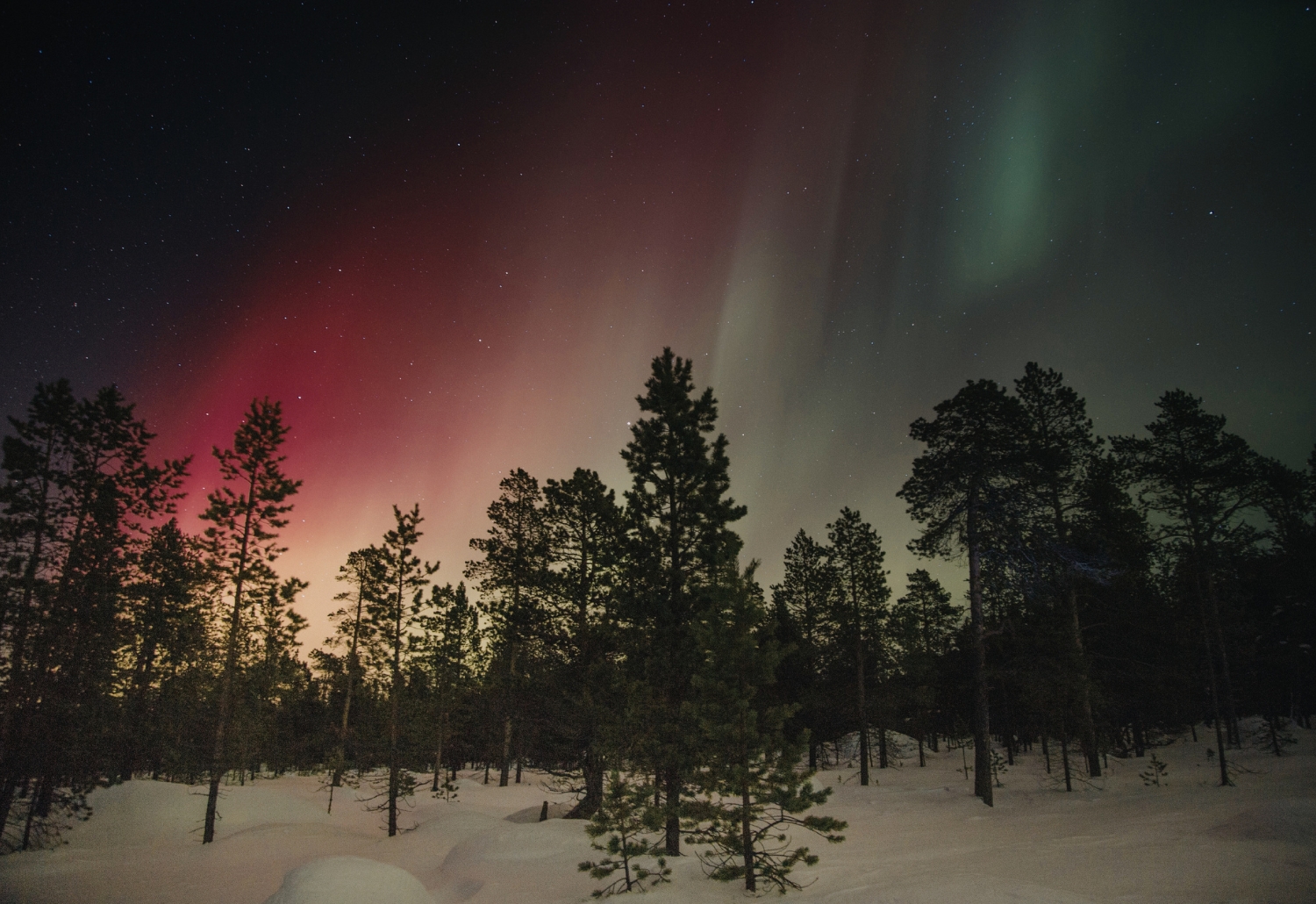
Best places to see aurora
Chasing the Northern Lights rarely begins with a carefully planned itinerary. More often, it starts with hesitation. You wonder whether it’s really worth braving the cold, hiring a car late at night, or driving into unfamiliar terrain on icy roads. And then, suddenly, the sky answers for you. Colors appear. They strengthen. They move. Before you know it, you’re standing still in the dark, watching something that feels almost unreal unfold above you.
For many people who’ve seen the aurora once, that moment changes how they travel forever. With 2026 shaping up to be one of the strongest years for aurora activity in more than a decade, more travelers are quietly planning winter trips around the possibility of seeing the lights for themselves.
Where You’re Most Likely to See the Aurora
The Northern Lights appear within what’s known as the auroral oval, a zone that generally sits above the Arctic Circle. That’s why your best chances are in high-latitude destinations with minimal light pollution.
You’ll want to look toward places such as Norway, Finland, northern Sweden, Greenland, northern Iceland, Canada, and Alaska. Tromsø in Norway is often highlighted as a prime viewing spot because it sits well inside the oval, but frequent cloud cover can make sightings unpredictable. Northern Iceland, particularly around Akureyri, tends to offer a better balance between location and weather conditions, along with the added advantage of being easy to explore by car.
Cruises can also work surprisingly well. Being out at sea removes both cloud interference and artificial light, sometimes revealing aurora displays that feel more intense and expansive than those seen from land.
Timing and Conditions Matter More Than You Think
Aurora chasing is less about luck and more about stacking the odds in your favour. Clear skies are your biggest challenge, often more than solar activity itself. While moonlight doesn’t always ruin a display, darker skies make it easier to see structure and movement.
You’ll want to stay away from cities and pay attention to what lies north of your viewing point. Even a small town in that direction can create enough glow to dull the experience. Light pollution maps are useful tools, especially when paired with short-term weather forecasts.
One advantage of aurora season is timing. It often falls outside peak tourism periods, meaning flights and accommodation can be cheaper, even when booked close to departure. For travelers interested in Budget Travel or quieter Winter Destinations, this makes aurora trips surprisingly accessible.
Why Some Aurora Sightings Stay With You Forever
Not all auroras are equal. Some appear as faint green arcs that drift across the horizon. Others explode into towering pillars, rippling and shifting in ways that feel alive. The most sought-after experience is known as a corona, when the aurora forms directly overhead and rays appear to fall straight toward you.
These moments don’t last long. Sometimes the most dramatic phase is over within minutes. That’s why staying somewhere remote, rather than relying solely on guided tours, can make a difference. When you’re already in a dark-sky location, you can step outside repeatedly throughout the night instead of betting everything on a short excursion window.
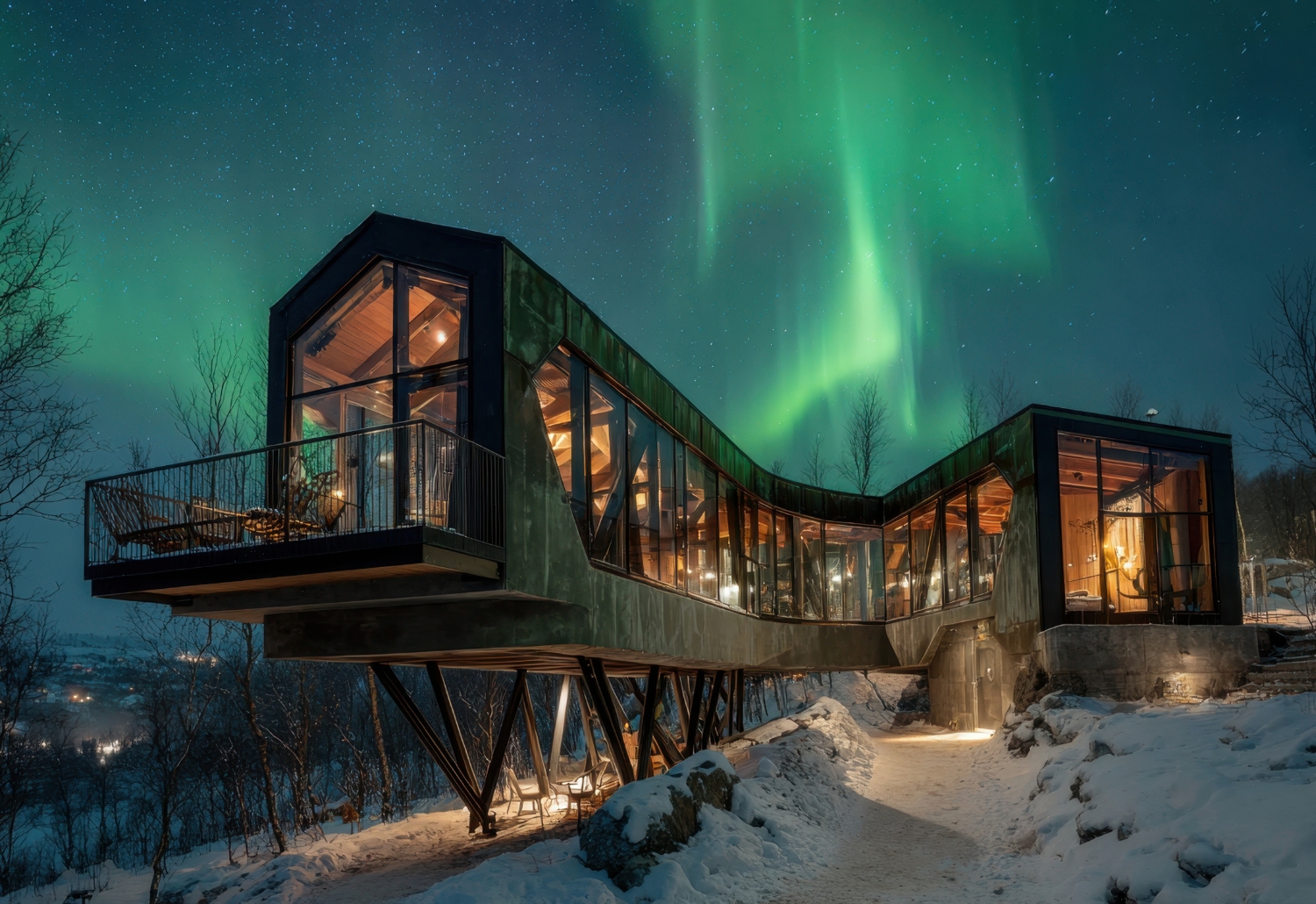
Northern Lights
Why 2026 Is a Standout Year for Aurora Chasing
The Sun follows an approximately 11-year cycle of activity, with aurora intensity peaking a couple of years after maximum sunspot activity. While scientists don’t always agree on the exact timing of each peak, current forecasts suggest 2026 and 2027 will sit right in the sweet spot for stronger and more frequent aurora storms.
This has quietly influenced Gen Z travel trends for 2026, with more travellers prioritising experiences tied to natural phenomena rather than traditional sightseeing. The Northern Lights, unpredictable and impossible to replicate, fit perfectly into that shift.
How to Plan Your Own Aurora Trip Wisely
If you’re organising your own journey, flexibility is your greatest asset. Booking accommodation in areas with genuinely dark skies gives you freedom to respond to changing conditions.
A few practical principles help:
- Choose lodges or cabins far from towns
- Monitor short-term weather forecasts daily
- Be prepared to drive short distances if clouds move
- Dress for long periods outdoors, even if you’re mostly waiting
If you rely on tours, research matters. Local knowledge of microclimates, particularly in places like Norway’s fjord regions, can determine whether a tour succeeds or disappoints. Reviews are essential, as not all operators prioritise conditions over convenience.
Why its a Bucket-List Experience
The aurora isn’t just visually stunning. It exists because Earth’s magnetic field is shielding life from harmful solar radiation, transforming something dangerous into something beautiful. On some level, standing beneath the lights feels like witnessing the planet quietly doing its job.
That understanding often deepens the experience. You’re not just watching colours in the sky. You’re seeing a reminder of how fragile and extraordinary life on Earth really is.
A Final Thought Before You Look Up
If you want to see the Northern Lights, preparation helps. But at some point, you also have to let go of control. You wait. You look up. And if the sky decides to perform, you’ll understand why so many people keep chasing that feeling again and again.