
faded petal garden trend
The traditional backyard used to revolve around one goal. Keep the lawn neat and uniform. Today that idea is changing quickly. Many homeowners now think of pets as permanent members of the household, not just visitors to the yard. As a result, outdoor spaces are shifting toward pet-inclusive sanctuaries rather than perfect grass displays.
This shift has fueled Barkitecture 2026, a design approach where landscaping plans include animals from the beginning. Instead of adjusting after problems appear, you design a pet-friendly yard intentionally. The space works for relaxation while also supporting movement, scent exploration, and safety.
Built-In Structures That Belong in the Design
Modern pet spaces no longer mean adding a doghouse in a corner. Landscape architecture now blends pet infrastructure into the visual plan. A pergola may include protected climbing tunnels for cats, known as built-in catio runs, allowing outdoor access without exposure to hazards.
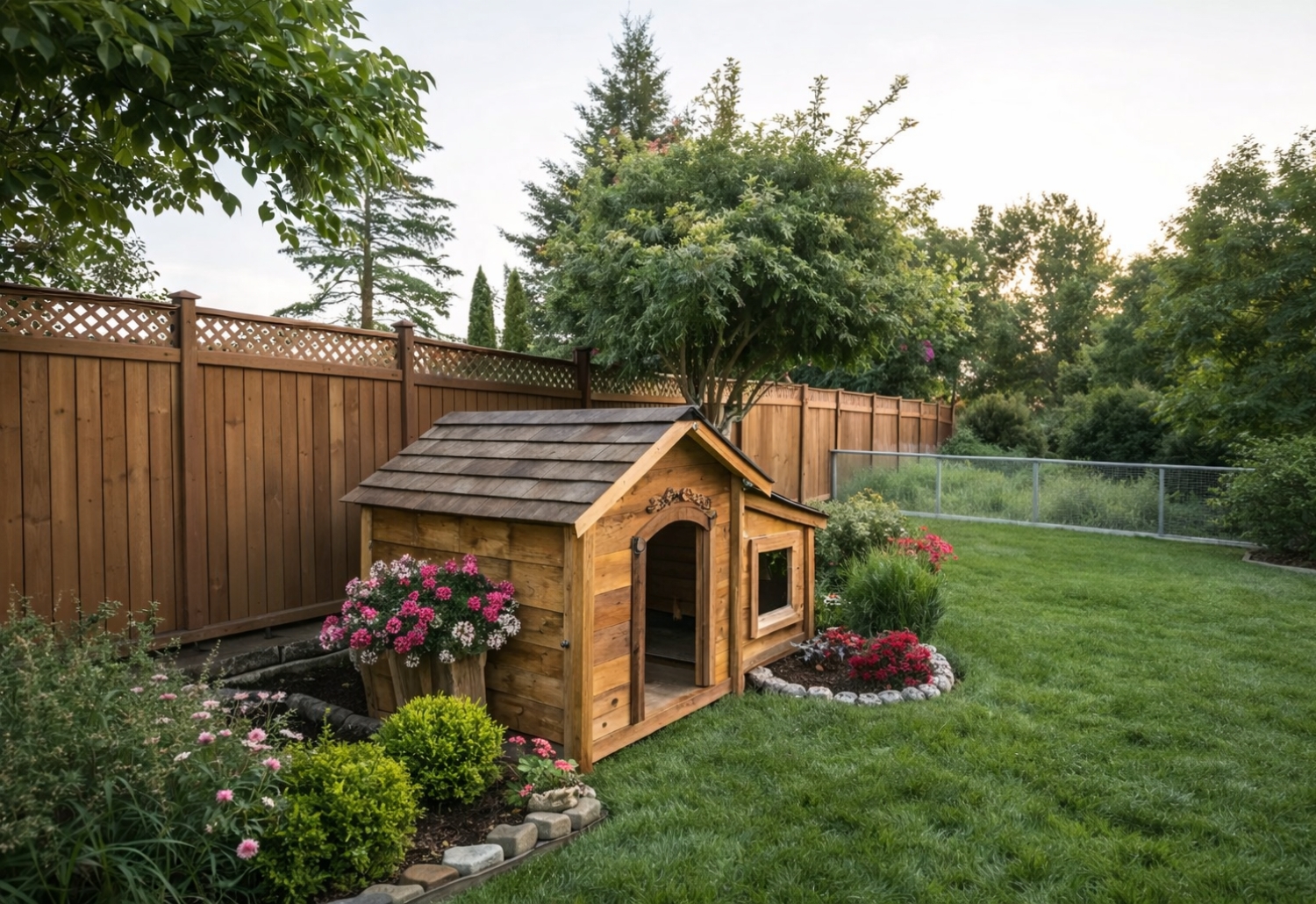
The key is integration. Materials such as cedar, stone, and coated metal match the home rather than standing apart from it. You end up with an outdoor living space that looks designed rather than modified. Pets gain freedom, and you keep a cohesive appearance.
The Role of the Faded Petal Palette
Every garden benefits from a consistent color story. For many designers, the 2026 color of the year arrives in a soft tone known as the Faded Petal color trend. It brings a gentle warmth while remaining subtle enough for everyday living.
In a Faded Petal garden design, plant selection matters as much as color. You choose resilient species that remain attractive even with activity. Examples include non-toxic garden shrubs and durable flowering plants that tolerate movement.
These options work well for spring planting US climates:
- Camellia shrubs for structure and shade
- Hardy echinacea varieties for soft color
- Creeping phlox as dog-tolerant groundcovers
The goal is beauty that survives real use rather than requiring constant repair.
Turning Challenges Into Features
A common frustration in home gardens involves areas where grass fails or pets dig repeatedly. The Lemonading garden trend treats these spots differently. Instead of fighting behavior, you adapt the environment.
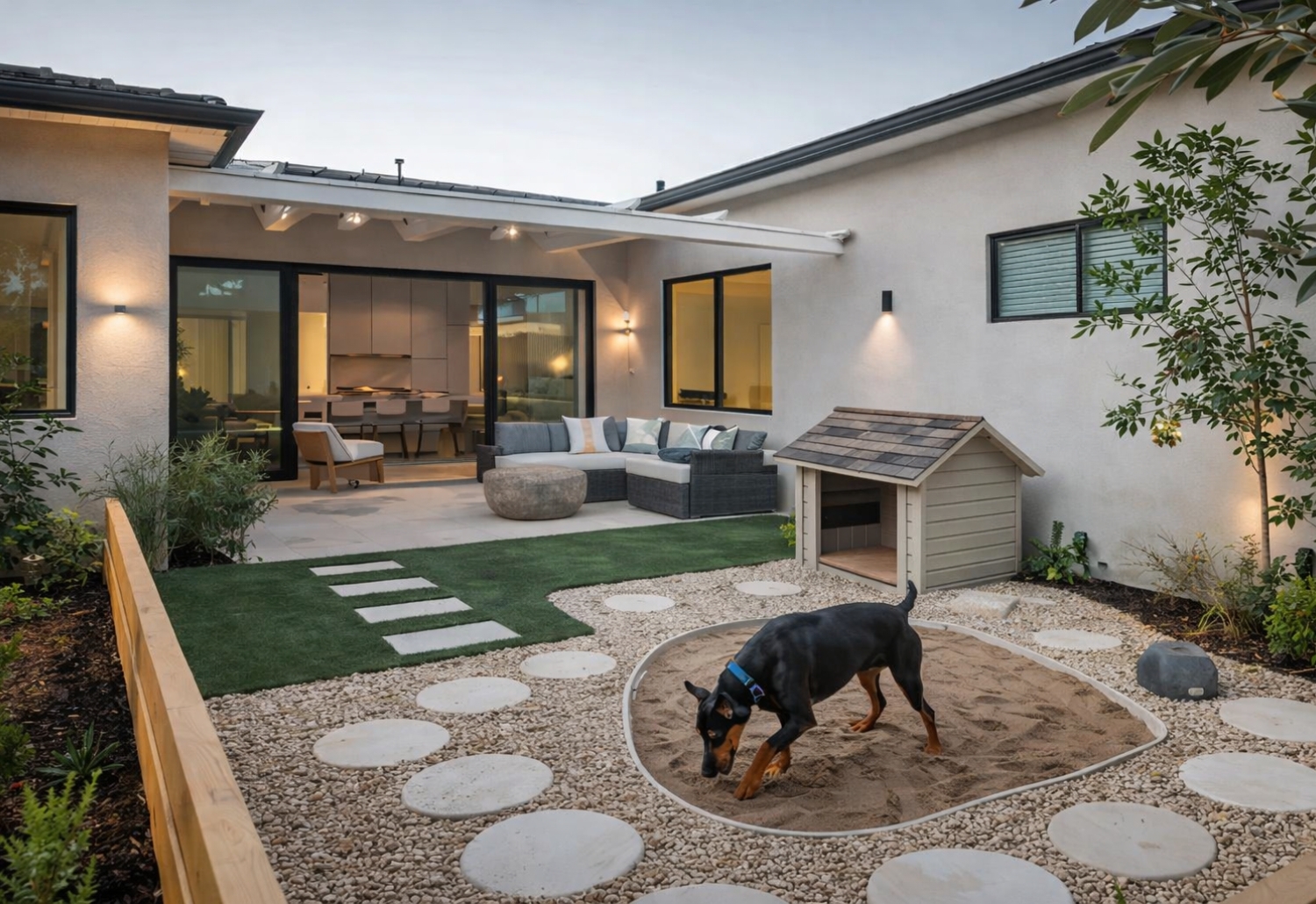
If digging is common, a framed sand zone becomes a play area. If grass refuses to grow, you create walking routes known as sniffari path ideas. These paths combine textures and scents so animals stay engaged while protecting delicate plants.
A well-planned sniffari path often includes:
- Gravel and stone sections for texture variation
- Pet-safe herbs like thyme or rosemary
- Shallow water features for cooling
This approach supports sustainable landscaping because it reduces maintenance and water use while still looking intentional.
dog friendly yard
Designing for the Senses
Animals experience outdoor areas differently than people. A sensory pet garden considers smell, sound, and touch. Plant clusters release scent as pets move past them. Ornamental grasses create gentle sound in the wind. Smooth stones retain cool temperatures during warm months.
These details form a pet safety garden where stimulation replaces restriction. Instead of blocking movement, you guide it naturally. Over time pets follow paths and shaded zones rather than fragile beds.
For you, the result feels calmer. The yard works with behavior rather than against it.
Planning the Layout
A practical Barkitecture 2026 plan divides the yard into zones. Roughly sixty percent becomes open play space with dog-tolerant groundcovers. The remaining area forms quieter seating sections separated by plants that act as natural boundaries.
Non-toxic garden shrubs create gentle borders without fences. Faded Petal accents, such as cushions or stone details, connect the look across sections. This layout balances activity and relaxation so both humans and pets use the space comfortably.
A Living Space Rather Than a Display
The modern yard is less about adornment and more about getting involved. You don’t have to keep the surface immaculate; instead, you make a space where life happens every day. More and more, garden design ideas show how humans and animals live together instead of how landscapes look in pictures.
You can cut down on the amount of work you have to do by planning for scent trails, shaded rest areas, and safe exploration. You also make a place that pets naturally comprehend.
What Barkitecture Will Do Next
Building a barkitecture-inspired backyard isn’t so much about adding things as it is about changing how you look at things. You stop treating dogs like visitors and start organizing around their schedules. When the space respects movement and safety, there is less need for maintenance and more fun.
A well-designed yard no longer forces compromise. It becomes a shared environment where both people and animals settle comfortably. Over time, that balance becomes the real definition of outdoor living.