
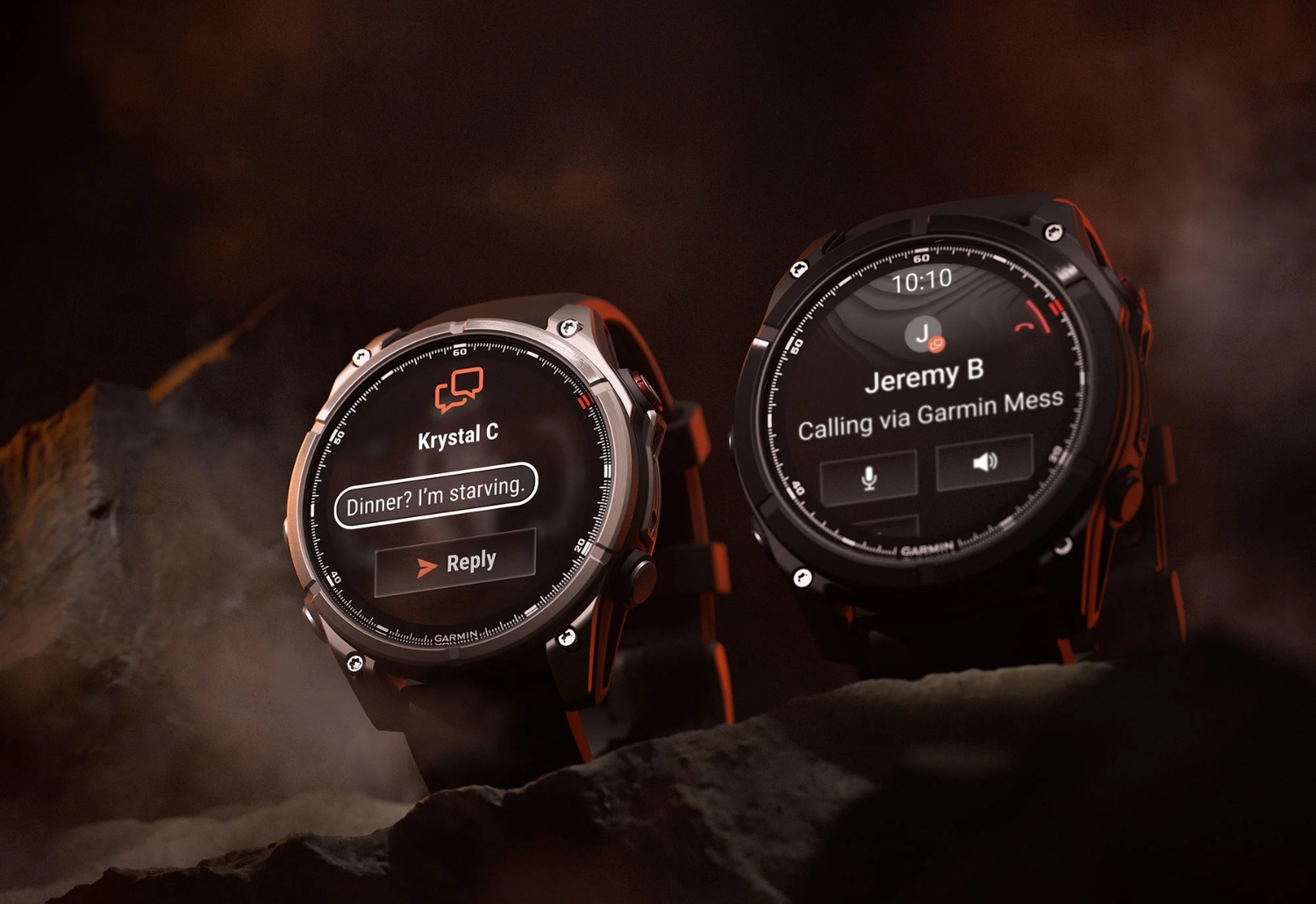
Garmin Fenix 8 Pro
If you spend time outdoors beyond cell coverage, you already know why Garmin watches have long dominated the adventure space. Extended battery life, physical buttons that work with gloves, deep trail navigation, and rugged builds have kept Garmin firmly ahead of most mainstream smartwatches. Even after Apple entered the category with the Apple Watch Ultra, Garmin remained the go-to choice for serious hikers, climbers, and endurance athletes.
That balance is now shifting slightly. Garmin’s latest flagship, the Fenix 8 Pro, adds a feature that many once associated only with Apple’s ecosystem: satellite messaging. For anyone who ventures far from a reliable signal, this addition fundamentally changes what a Garmin watch can do on its own.
Satellite Messaging Change
Satellite messaging has quickly become one of the most meaningful safety upgrades in modern wearables. With Apple Watch Ultra models, the ability to send emergency messages without cellular service proved how critical off-grid communication can be. Garmin now brings that same concept into its most advanced adventure watch.
With the Fenix 8 Pro, you can connect via both cellular and satellite networks. That means you’re no longer fully dependent on your phone for emergency communication. For an additional monthly fee, the watch can send messages or request help even when you’re miles away from towers. If your phone battery dies or you choose to leave it behind entirely, you still have a lifeline.
This feature places Garmin firmly in competition with Apple on one of the most important aspects of outdoor safety. It also reinforces why adventure watches are becoming increasingly independent devices rather than accessories.
A Display That Pushes Smartwatch Limits
Connectivity isn’t the only major change. Garmin has also made a bold move with display technology. While OLED screens are already available across parts of the Fenix 8 Pro lineup, Garmin now offers an even higher-end option featuring a MicroLED display.
This version delivers brightness levels far beyond what most smartwatches can achieve, reaching up to 4,500 nits. In direct sunlight, on snow-covered terrain, or at high altitude, visibility matters. Garmin’s claim that its product is the brightest smartwatch display available isn’t just marketing—it addresses a real-world issue outdoor users face.
For users familiar with shopping during Black Friday Tech Deals or Cyber Monday Sales, this type of display innovation mirrors what you’ve seen in premium OLED TVs entering mainstream buying guides. Display clarity is no longer just about aesthetics; it’s about usability in extreme conditions.
Battery Life Still Separates Garmin From the Pack
Despite these high-end features, Garmin hasn’t sacrificed what it does best. Battery life remains one of the biggest reasons you choose a Fenix over other smartwatches. Depending on the display type, you’re looking at weeks of use rather than days.
OLED models can last nearly a month in smartwatch mode, while even the brighter MicroLED variant delivers longevity that far exceeds most competitors. That difference becomes critical on multi-day hikes, ultra-distance races, or extended travel where charging access is limited.
This approach reflects a broader shift in AI-influenced shopping trends, where buyers are prioritizing long-term reliability over flashy features that drain power quickly.
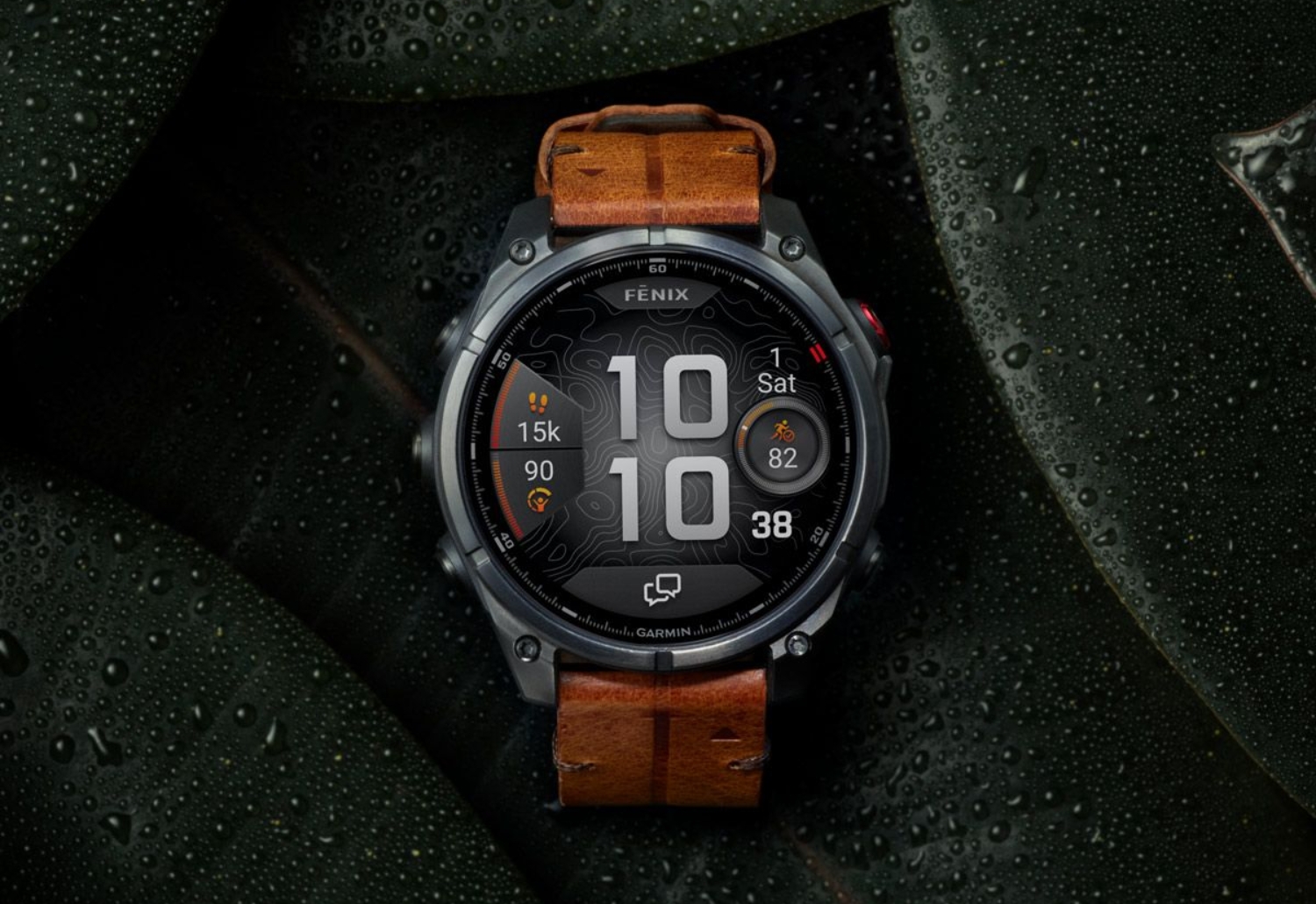
The adventure smartwatch
Built for Independence, Not Notifications
Garmin continues to design the Fenix series around autonomy. Physical buttons remain central to navigation and controls, allowing reliable use in rain, cold, or rough conditions. You’re not dependent on touchscreen gestures when your environment works against you.
For users comparing devices during major Apple Deals, it’s clear Garmin isn’t trying to replace an Apple Watch experience. Instead, it focuses on independence. You track, navigate, communicate, and survive without being tethered to your phone or ecosystem.
Who the Fenix 8 Pro Is Really For
This watch isn’t built for everyone, and Garmin doesn’t pretend otherwise. It’s designed for people who spend time far from cities, charging cables, and reliable signal. If your idea of travel includes backcountry routes rather than airport lounges, the Fenix 8 Pro makes sense.
Here’s where it fits best:
- Long-distance hikers and trail runners
- Climbers and expedition travelers
- Outdoor professionals working off-grid
- Users who value safety over convenience
This focus is similar to how buyers weigh OLED vs. QLED when browsing the biggest Black Friday TV deals—the right choice depends on how and where you use it.
A Premium Price With a Clear Purpose
There’s no avoiding the price conversation. The Fenix 8 Pro sits firmly in premium territory. Between satellite connectivity fees and advanced display tech, this isn’t an impulse buy. But the value proposition is clear. You’re paying for independence, safety, and reliability rather than apps or entertainment features.
In a market crowded with smartwatches chasing lifestyle trends, Garmin continues to refine tools meant for demanding environments. That clarity helps justify the cost for the right user.
A Smartwatch That Doesn’t Need a Safety Net
The Garmin Fenix 8 Pro marks an important moment for adventure wearables. By adding satellite messaging and pushing display technology further, Garmin closes a critical gap while still maintaining the advantages that made its watches dominant in the first place.
If you want a smartwatch that works when everything else stops working, this is one of the most complete options available today. It doesn’t aim to replace your phone. It exists so you don’t need one when it matters most.