
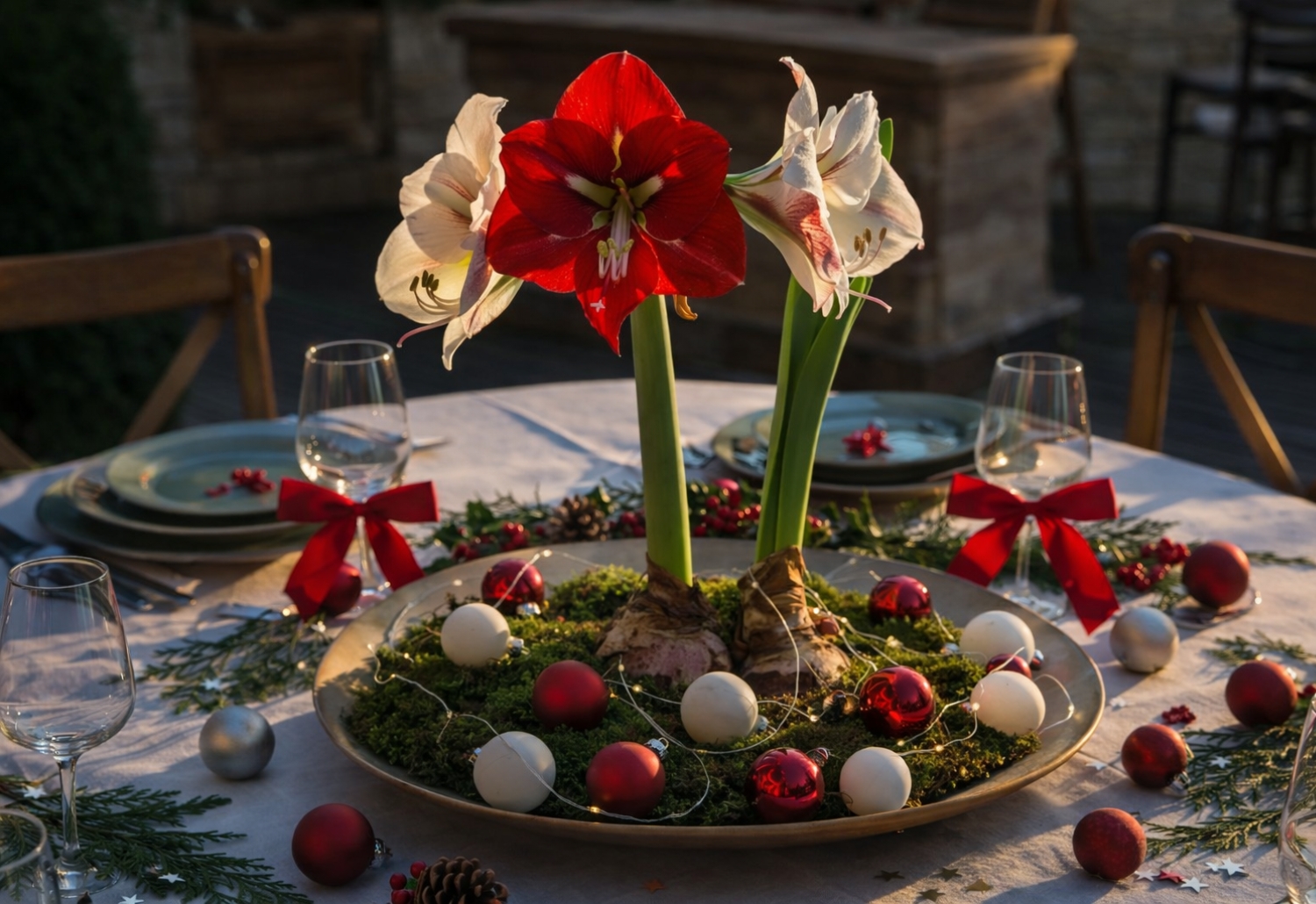
Holiday Amaryllis Bulb
During the winter months, few indoor plants make as strong a statement as an amaryllis. With its tall stems and bold blooms, it often becomes the centerpiece of holiday décor, bringing color and warmth when outdoor gardens are dormant. Once the flowers fade, though, you’re left with a familiar question: should you keep the bulb or toss it out?
The answer depends on how your amaryllis was grown and how much effort you’re willing to put into caring for it after the holidays. With the right approach, many bulbs can bloom again next year—but not all are worth saving.
Why Amaryllis Are So Popular Indoors
Amaryllis plants, botanically known as Hippeastrum, are native to South America and are prized for their dramatic winter blooms. They’re commonly sold during the holiday season as bare bulbs, pre-potted kits, or decorative displays grown in water or sealed in wax.
Their attraction comes from how easy they are. Amaryllis flowers are a popular gift and a preferred indoor plant in the winter since you don’t need to be an expert gardener to get them to bloom. Depending on the kind, flowers might be red, pink, white, salmon, green, or even striped. They can endure for weeks.
A lot of people don’t know that the time of year when a bulb blooms might depend on where it was cultivated. Bulbs grown in the Southern Hemisphere normally bloom faster after being planted, while others may take longer to wake up. That delay doesn’t mean something is wrong—it’s simply part of how these bulbs are produced.
Is It Worth Saving the Bulb?
It’s only worth saving an amaryllis bulb if the plant was healthy and had a lot of flowers. Most of the time, bigger bulbs make more beautiful flowers. Sometimes, they even send up more than one flower stalk in a single season. If your plant made a lot of big blooms and kept its leaves robust and green after that, it could be able to blossom again.
However, bulbs that struggled to flower—or produced only one weak bloom—may not have enough stored energy to perform well again. In those cases, replacing the bulb next season may be the better option.
It’s also important to know how your amaryllis was grown. Bulbs grown in water or encased in decorative wax are designed for one-time use. Without soil, they can’t regenerate roots or store enough energy for future growth. These are best enjoyed for the season and then discarded. If you have pets, keep in mind that amaryllis bulbs are toxic if ingested. Store saved bulbs out of reach to protect curious cats and dogs.
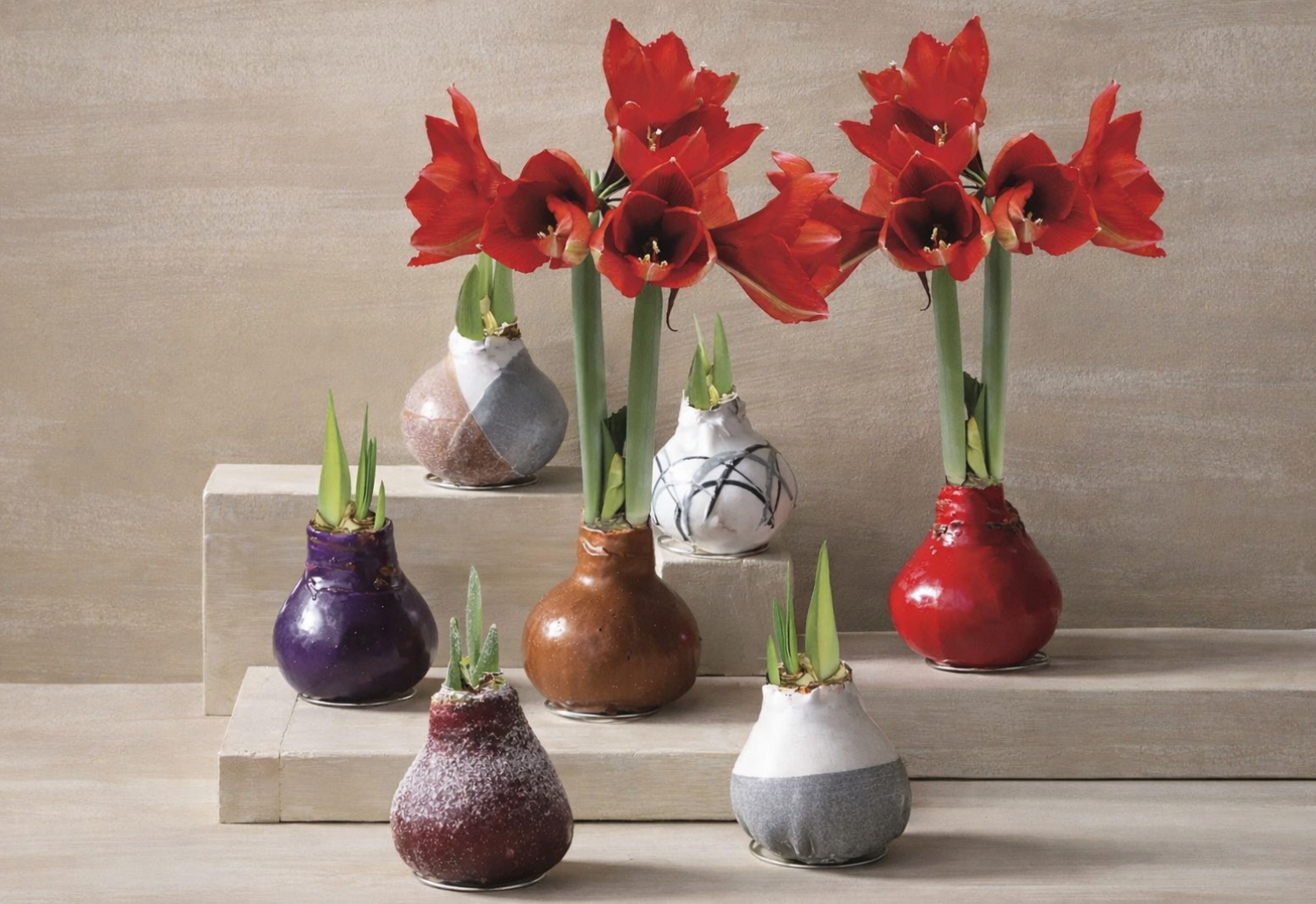
Amaryllis bulb care
How to Help an Amaryllis Bloom Again
If you decide to save your bulb, the key is understanding that reblooming requires a full growth cycle. The flowers may be gone, but the real work happens afterward.
Once blooming ends, follow these steps to support the bulb’s recovery:
- Remove spent flowers, but leave the green stalks and leaves intact
- Place the plant in a bright, sunny window
- Water regularly and fertilize once a month with a balanced houseplant fertilizer
- Allow the leaves to grow freely, as they feed the bulb for next year
During late spring or early summer, you can move the plant outdoors once nighttime temperatures are consistently warm. Gradually expose it to sunlight over several days, eventually giving it several hours of direct sun daily. Keeping the pot partially buried in the ground helps protect the bulb from sudden temperature changes.
Creating Dormancy for Holiday Blooms
To get your amaryllis to bloom again around the holidays, you’ll need to guide it into dormancy. This controlled rest period mimics natural seasonal cycles.
In mid-to late summer, bring the plant indoors and place it in a cool, dark, dry location. Stop watering entirely. Over time, the leaves will yellow and dry out. Once they’ve fully withered, you can remove them.
After about eight to ten weeks of rest, reintroduce the bulb to light and begin watering lightly. Place it near a bright window and wait for new growth to appear. With patience, flower stalks should emerge within four to six weeks.
Can Amaryllis Grow Outdoors Year-Round?
If you live in a warm climate, amaryllis bulbs can be grown outdoors permanently. In regions with mild winters, bulbs may be planted in the ground once frost risk has passed. Choose a location with well-draining soil and plenty of sun, ideally with some afternoon shade.
In cooler places, the best way to care for amaryllis is still to treat them as seasonal inside plants. This is especially true during the winter when people are already doing things like getting their gardens ready for winter and taking care of their houseplants in cold weather.
A Smart Choice for the Next Season
It’s not about convenience to save an amaryllis bulb; it’s about intention. If you take good care of it, a well-grown bulb may give you another beautiful show that will brighten up your house long after the holidays are done. If you know what the plant requires, you can make the best decision for your area, schedule, and gardening goals, whether you want to keep it dormant or start over next season.
In the end, whether or not you preserve an amaryllis bulb is less about tradition and more about if you’re ready to give it the care it needs.