
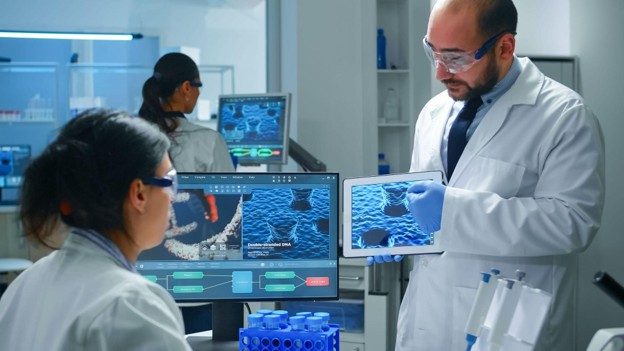
Healthcare innovation depends on collaboration across multiple disciplines, and biomedical engineering recruiters help organizations identify professionals who can contribute specialized expertise within cross-functional teams. As medical technologies become increasingly sophisticated, companies rely on engineers, scientists, regulatory specialists, and manufacturing experts working together to transform ideas into safe, effective products.
From concept development to commercialization, modern healthcare products rarely result from the efforts of a single department. Medical devices, diagnostic systems, digital health technologies, and advanced manufacturing processes require continuous collaboration between technical experts whose combined knowledge helps organizations overcome complex scientific and engineering challenges.
Why Biomedical Engineering Recruiters Support Cross-Functional Hiring
Healthcare organizations often need professionals who can collaborate beyond their own technical discipline.
Engineering teams may include specialists in:
- Biomedical engineering.
- Mechanical engineering.
- Electrical engineering.
- Software engineering.
- Systems engineering.
- Manufacturing engineering.
- Quality engineering.
- Validation engineering.
Because every project demands different combinations of expertise, biomedical engineering recruiters help employers identify candidates whose technical backgrounds complement the broader goals of multidisciplinary product development teams.
Collaboration Improves Product Development
Medical technology products move through multiple stages before reaching healthcare providers or patients.
Successful development often requires coordination between:
- Research and development.
- Product engineering.
- Regulatory affairs.
- Quality assurance.
- Clinical affairs.
- Supply chain management.
- Commercial teams.
When these groups communicate effectively, organizations can identify design challenges earlier, reduce unnecessary delays, and improve overall project efficiency.
Strong collaboration also allows engineering decisions to reflect manufacturing realities, regulatory expectations, and clinical needs throughout development.
Diverse Technical Perspectives Strengthen Innovation
Healthcare innovation frequently occurs when professionals with different technical backgrounds contribute unique perspectives.
For example:
- Engineers focus on product functionality.
- Quality professionals evaluate reliability.
- Regulatory specialists review compliance requirements.
- Manufacturing experts assess production feasibility.
- Clinical professionals provide patient-centered insights.
Combining these viewpoints often leads to better-informed decisions throughout product development.
Organizations that prioritize collaborative hiring frequently seek professionals who can communicate effectively across multiple departments. Biomedical engineering recruiters help identify candidates capable of contributing both technical expertise and collaborative problem-solving skills.
Early Collaboration Helps Reduce Development Risks
Waiting until late stages of development to involve multiple departments can create unnecessary challenges.
Cross-functional collaboration supports earlier identification of issues involving:
- Product design.
- Manufacturing feasibility.
- Regulatory documentation.
- Material selection.
- Verification testing.
- Supply chain planning.
- Quality systems.
- Cost optimization.
Addressing these considerations early may reduce redesign efforts while improving development efficiency.
Because many healthcare products operate within regulated environments, early collaboration also supports stronger documentation and more consistent project execution.
Specialized Engineering Roles Continue Expanding
Healthcare organizations increasingly recruit professionals with expertise in emerging technologies.
Demand continues growing for engineers working in:
- Medical devices.
- Digital health.
- Wearable technology.
- Artificial intelligence.
- Imaging systems.
- Connected healthcare solutions.
These specialized positions often require highly technical experience that can be difficult to identify through general recruiting methods.
Experienced biomedical engineering recruiters understand the technical qualifications associated with these evolving disciplines while maintaining relationships within specialized engineering communities.
Manufacturing Teams Play an Important Role
Innovation does not end once product development is complete.
Manufacturing professionals contribute by supporting:
- Process optimization.
- Equipment validation.
- Production scalability.
- Quality control.
- Continuous improvement.
- Supply chain efficiency.
- Operational excellence.
- Product consistency.
Close collaboration between engineering and manufacturing teams helps organizations transition more efficiently from prototype development to commercial production.
Recruiting professionals who understand both engineering principles and manufacturing processes strengthens communication throughout this transition.
Regulatory Requirements Encourage Teamwork
Medical products must satisfy strict regulatory expectations before reaching the marketplace.
Cross-functional teams frequently work together on:
- Design controls.
- Risk management.
- Product verification.
- Product validation.
- Technical documentation.
- Regulatory submissions.
- Corrective actions.
- Post-market activities.
The U.S. Food and Drug Administration emphasizes the importance of design controls and quality system practices throughout medical device development to help ensure products meet safety and performance requirements.
Because regulatory expectations influence multiple departments simultaneously, organizations often benefit from professionals who understand how engineering decisions affect quality and compliance activities.
Strong Communication Supports Better Outcomes
Technical expertise remains essential, but communication skills are equally valuable within collaborative engineering environments.
High-performing professionals often demonstrate the ability to:
- Share technical information clearly.
- Collaborate across departments.
- Solve problems collectively.
- Adapt to changing priorities.
- Support continuous improvement.
- Balance competing project demands.
- Build productive working relationships.
- Contribute to team decision-making.
These interpersonal skills help organizations improve efficiency while reducing misunderstandings that can delay product development.
When evaluating candidates, biomedical engineering recruiters frequently consider both technical qualifications and collaborative capabilities.
Long-Term Workforce Planning Supports Innovation
Healthcare organizations often experience changing workforce needs as technology evolves.
Future hiring priorities may involve:
- Product pipeline expansion.
- Advanced manufacturing initiatives.
- Automation projects.
- International growth.
- New therapeutic technologies.
- Digital transformation.
- Leadership succession.
- Research partnerships.
Developing long-term recruiting strategies helps organizations prepare for future growth rather than responding only to immediate vacancies.
Specialized recruiting partnerships support these efforts by maintaining access to experienced engineering professionals as organizational priorities evolve.
Building Teams That Drive Better Healthcare Solutions
Healthcare innovation depends upon more than groundbreaking ideas. It requires engineers, scientists, manufacturing specialists, quality professionals, and regulatory experts working together toward shared objectives.
Organizations that invest in collaborative hiring practices position themselves to improve product development, strengthen regulatory readiness, and accelerate innovation. Biomedical engineering recruiters contribute to this process by identifying professionals whose technical expertise, communication skills, and collaborative mindset help organizations build high-performing cross-functional engineering teams capable of delivering the next generation of healthcare technologies.