
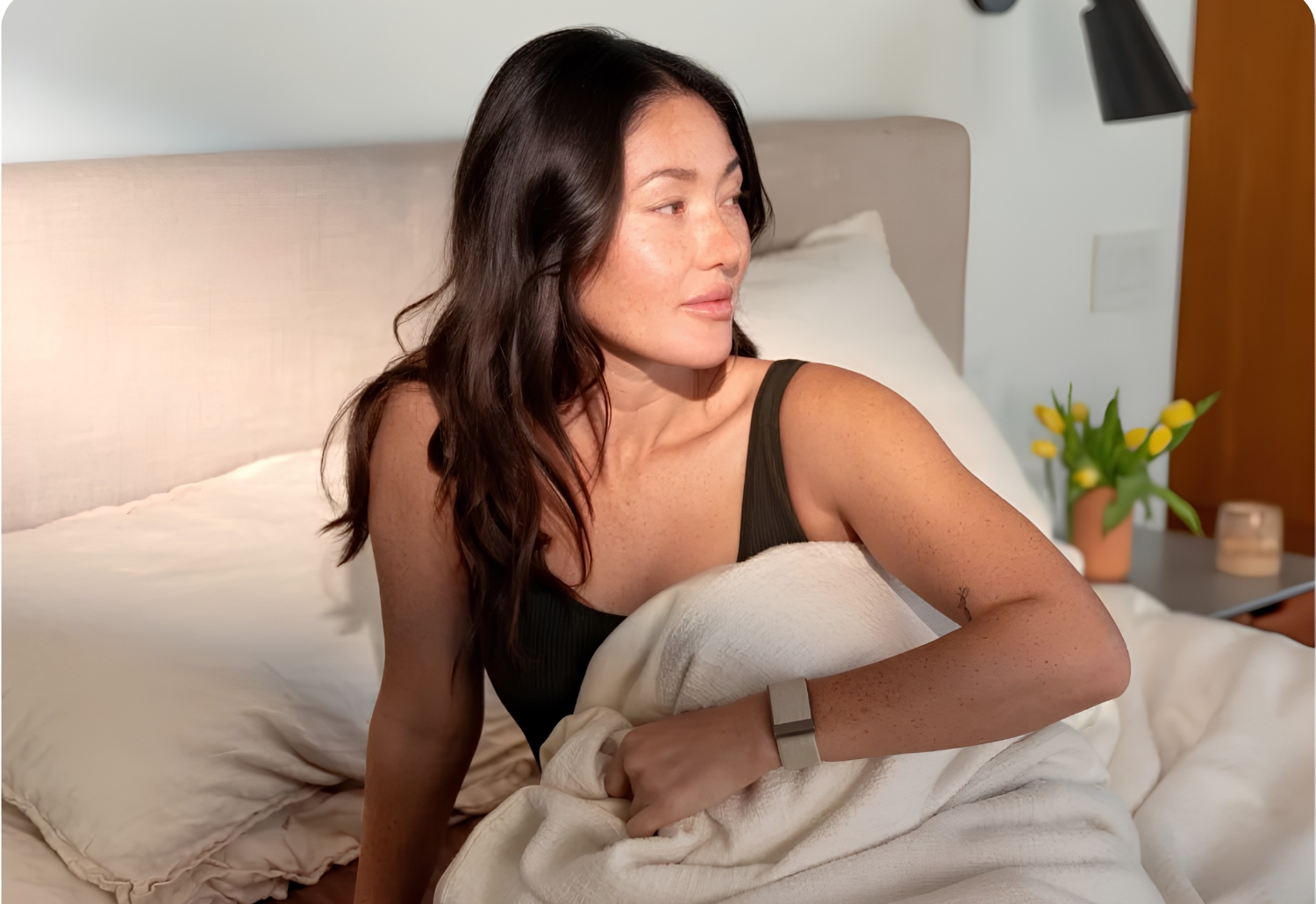
screenless smart wearables
Screenless smart wearables are becoming the clearest answer to one very modern problem: people want technology, but they are tired of staring at screens.
The phone is useful. No argument there.
But it also demands attention every few minutes. A message appears. A delivery alert follows. Then a health reminder, calendar ping, news update, social notification, and one casual scroll that turns into twenty minutes. That is why screenless devices feel different. They give people data, guidance, and assistance without asking them to look down again and again.
Why the phone feels heavier now
Consumer tech fatigue is real.
People are not rejecting technology. They are rejecting the constant interruption that comes with it. The smartphone became the center of work, entertainment, payments, maps, photos, fitness, news, and social life.
That was convenient for a while. Now it feels crowded.
The next wave of best new gadgets is not trying to replace every phone feature. It is trying to move the most useful parts of tech into quieter, smaller, less demanding formats. That is where screenless smart wearables come in.
Screenless smart wearables and ambient tech
The big shift is toward ambient technology trends.
Ambient technology works quietly in the background. It does not need your full attention. It does not flash a dashboard every five seconds. It supports you while you keep doing what you were already doing. A smart ring can track sleep and recovery while you forget it is there.
AI smart glasses can give directions or translate a phrase without making you pull out your phone. Earbuds can handle voice notes, calls, and quick prompts without a screen. Ambient tech is not about doing less with technology. It is about making technology less intrusive. That matters for daily life and work. Less screen-checking often means better focus, cleaner conversations, and fewer broken moments.
Smart rings make health tracking quieter
Smart rings for health are one of the strongest examples of this change. A smartwatch still has a screen. It still buzzes. It still tempts you to check messages. A ring does not. It simply collects data in the background.
Heart rate. Sleep. Temperature. Recovery patterns. Movement.
The user can review the information later, when they choose to. That small difference matters because health tracking can easily become stressful. People start watching every number, judging every night’s sleep, and feeling like they failed before breakfast.
A ring removes some of that pressure. It turns health data into a check-in, not a constant performance score.
AI glasses reduce phone dependence
AI smart glasses are moving in a similar direction.
The old dream of smart glasses was too loud. Too heavy. Too obvious. Too distracting. The newer approach is more practical: audio prompts, hands-free capture, voice replies, translation, navigation, and lightweight AI support.
No need to pull out the phone for every small task.
That matters when walking, commuting, traveling, presenting, cooking, or working with your hands. The device supports the moment instead of interrupting it. Invisible tech devices work best when they do not make people feel like they are wearing a computer. Good design disappears.
Edge AI makes the shift possible
A major reason screenless smart wearables are improving is edge AI. Edge AI means the device can process some information locally instead of sending everything to the cloud. In simple terms, the gadget can think through basic tasks closer to where the data is created.
That can help with speed, privacy, and battery life.
For wearables, that is huge.
Small devices cannot depend on constant charging or slow cloud responses. If glasses need to translate quickly or a ring needs to understand body patterns, local processing helps the experience feel smoother.
It also makes people more comfortable with sensitive data. Health signals, voice prompts, and daily routines should not feel like they are being thrown everywhere online.
Why businesses should care
This is not only a consumer trend. Businesses should pay attention because user behavior is changing. People may become less willing to engage with experiences that demand constant screen attention.
That affects app design, workplace tools, shopping, health platforms, travel services, and customer support. A company that still assumes users want another app notification may miss the point. People want fewer interruptions. They want smarter timing. They want tech that respects attention.
Smart ways to use screenless wearables
A screenless setup works best when it solves real problems, not when it adds more gadgets for the sake of it.
Try this approach:
- Use a smart ring for sleep and recovery tracking.
- Keep AI glasses for directions, calls, translation, and quick capture.
- Turn off non-essential phone notifications.
- Review health data once daily, not constantly.
- Use earbuds for voice notes and hands-free reminders.
- Keep your phone as the main hub, not the main habit.
- Choose devices that protect privacy and battery life.
The point is not to own more tech. The point is to look at screens less.
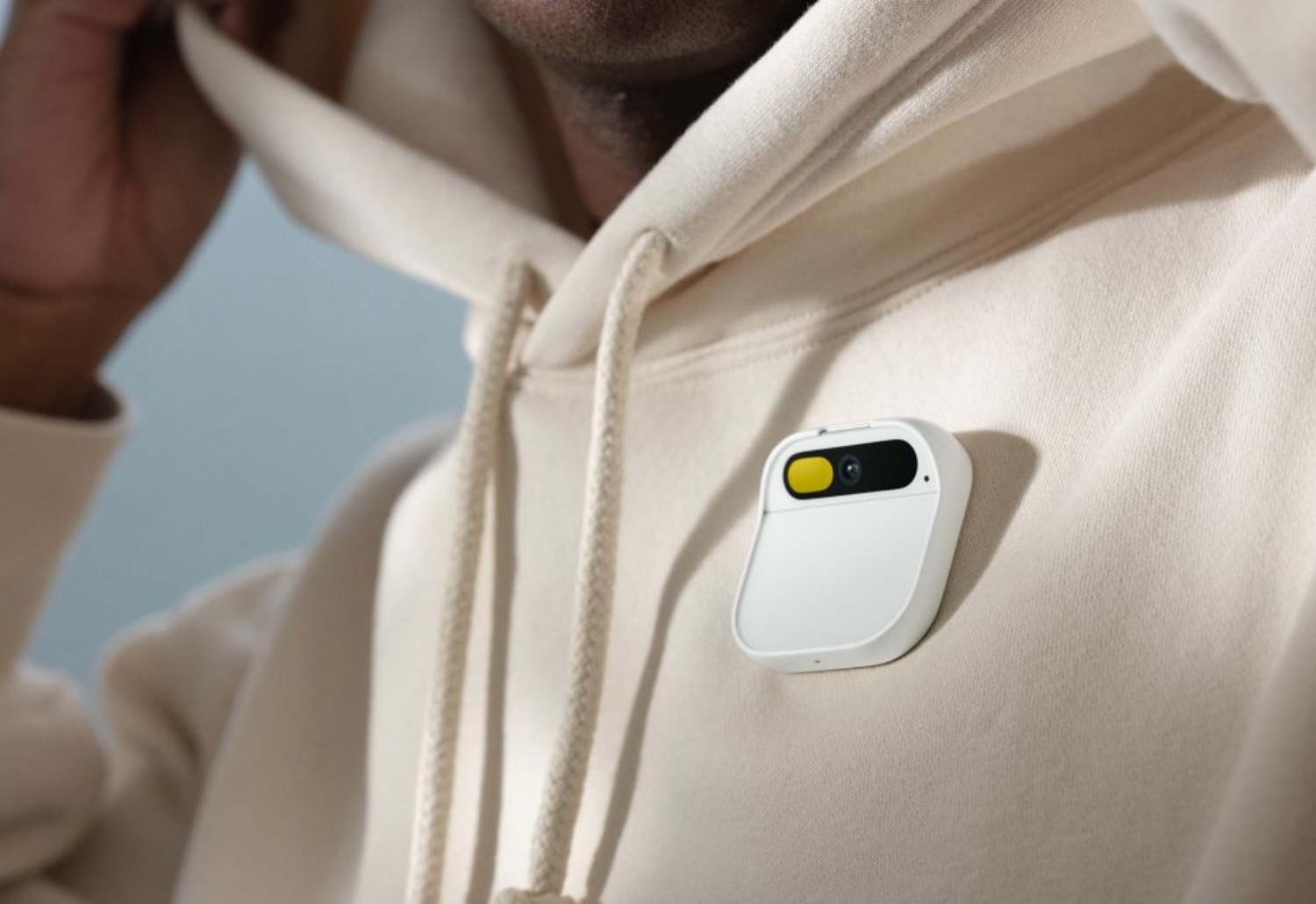
ambient technology trends
The phone is not disappearing
Let’s be realistic.
Phones are not going away in 2026. They are still needed for banking, work, media, photos, forms, shopping, and deeper tasks. But the phone may stop being the first device people reach for every time.
That is the real shift.
Screenless smart wearables are not replacing the smartphone completely. They are taking over the moments where the phone is too much. Quick health checks. Simple directions. Short replies. Passive tracking. Light assistance. Quiet context. Those moments add up.
Conclusion
Screenless smart wearables are gaining ground because people want useful technology without constant visual noise. Smart rings, AI smart glasses, earbuds, and edge AI devices are moving digital support into the background, where it can help without taking over the day. This shift matters because attention has become one of the most valuable parts of modern life. The winners will not be the gadgets that shout the loudest. They will be the ones that fit quietly into real routines, protect personal data, and let people stay connected without living through a screen.