
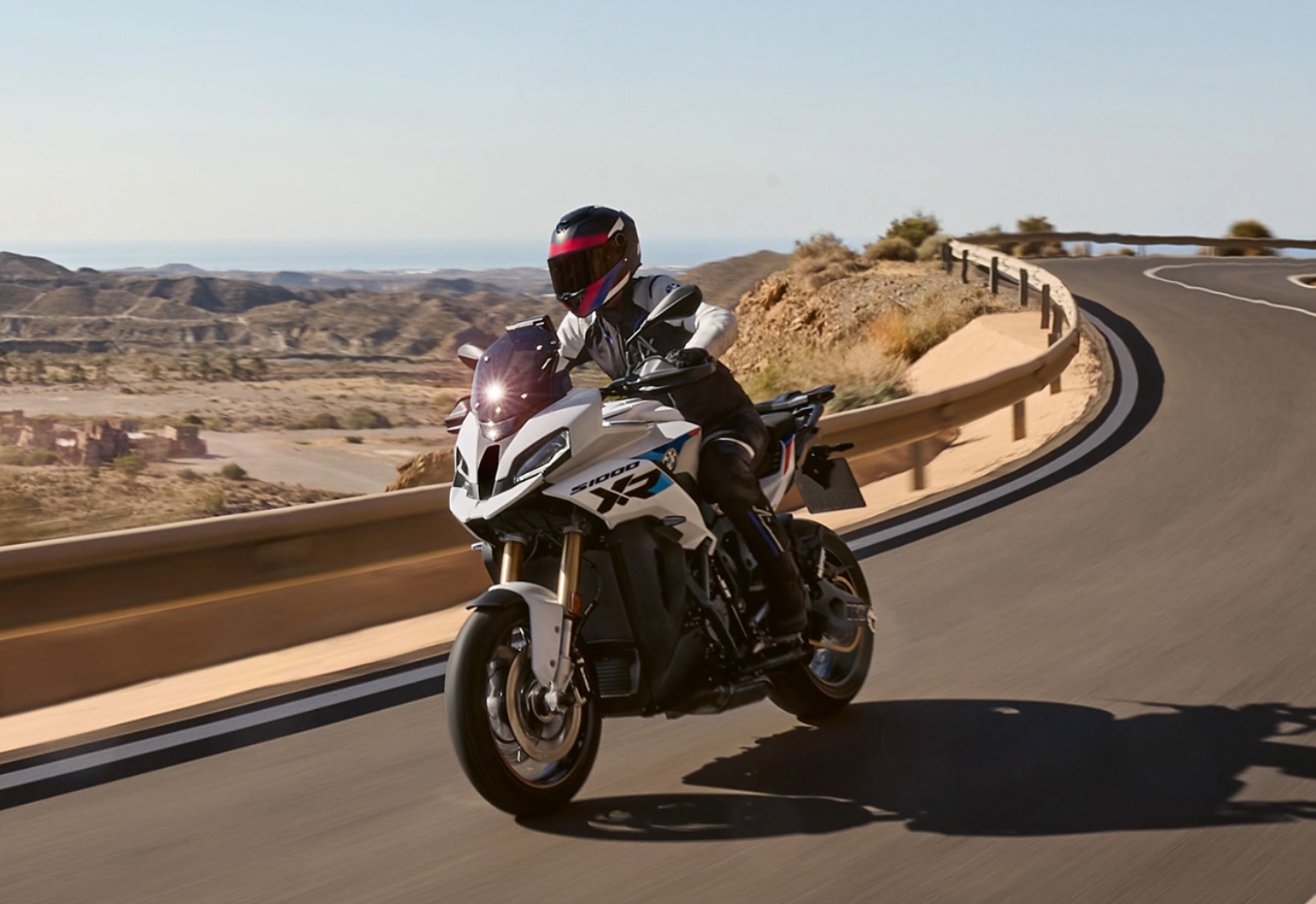
real world touring
The motorcycle world loves extremes. More horsepower. Bigger engines. Taller specs sheets. Every year, premium bikes arrive promising race-track performance, massive top speeds, and electronics complicated enough to feel like cockpit software. But here’s the thing: most riders are not crossing racetracks every weekend.
They are dealing with rough roads, surprise rain, traffic jams, bad highways, and the occasional weekend escape. That is exactly why Real-World Touring motorcycles are starting to matter more than headline-grabbing performance numbers.
The best touring bike is not always the fastest one. Sometimes, it is simply the bike that makes everyday riding easier.
Why Touring Bikes Are Changing
For years, many touring motorcycles’ 2026 launches leaned heavily into size and luxury. Bigger frames. Bigger engines. More gadgets.
Impressive? Absolutely.
Practical for daily riding? Not always.
Anyone who has wrestled a heavyweight touring machine through narrow parking spaces or stop-and-go city traffic knows the struggle. A motorcycle built for real roads needs balance. Enough power for highway confidence, but manageable enough for daily life.
That shift is driving the rise of real-world adventure bikes designed around practicality instead of excess. The Yamaha Tracer 9 is one of the strongest examples of this change.
What Makes a Real-World Tourer?
A genuine real-world touring motorcycle needs to handle different situations without drama. Monday might mean commuting through heavy traffic. Friday could turn into a 300-mile highway ride. Saturday may involve rough backroads and unpredictable weather.
That flexibility matters. A bike designed for actual conditions must feel comfortable everywhere:
- Tight urban traffic
- Long highway stretches
- Wet roads and uneven pavement
- Light touring with luggage
- Weekend motorcycle road trips
Instead of mastering one environment, it needs to perform well almost everywhere. That is what separates usable motorcycles from garage trophies.
Why Mid-Range Power Wins
Bigger is not always better.
Some flagship heavyweight motorcycles now push well beyond 170 horsepower. Sounds exciting until you realize most riders rarely use half of that performance on public roads. The smarter approach focuses on mid-range touring performance. Take Yamaha’s Tracer 9 setup. Its 890cc inline-three engine lands in a sweet spot. Strong enough for fast highway overtakes, smooth enough for commuting, and light enough to stay manageable in city riding.
That matters during long-distance motorcycling. A bike that constantly demands attention becomes tiring. A motorcycle with predictable power simply feels easier to live with. And after six hours in the saddle, ease starts feeling pretty valuable.
Smart Features That Actually Help
Technology on motorcycles can go one of two ways. Helpful. Or unnecessarily complicated. The strongest Real-World Touring bike design focuses on rider comfort instead of showing off.
A few features genuinely make a difference:
Adjustable Comfort Matters
Many riders underestimate the impact of adjustable windscreens on motorbikes. Wind fatigue is real. Hours of buffeting at highway speeds quietly drain focus and energy. A properly adjustable screen helps riders adapt quickly when conditions change.
Then there is electronic suspension touring. On broken roads or heavily loaded trips, adaptive suspension smooths out bumps automatically. Instead of constantly adjusting settings manually, the bike handles much of the work in the background.
For touring riders, less fatigue means better focus. And safer rides.
How Touring Bikes Compare in 2026
Not every touring machine aims at the same rider. Some prioritize luxury. Others aim for simplicity. When comparing top-rated real-world adventure touring bikes of 2026, the difference often comes down to how much motorcycle people genuinely need. The Tracer 9 offers lighter handling and practical touring capability.
Meanwhile, premium shaft-drive touring motorcycles like BMW’s R 1300 RT lean into comfort, larger touring capacity, and lower maintenance through shaft-driven systems. Adventure-focused alternatives like Ducati’s Multistrada V4 mix touring comfort with light off-road capability.
The key question becomes simple:
Are you riding for status, or are you riding for comfort?
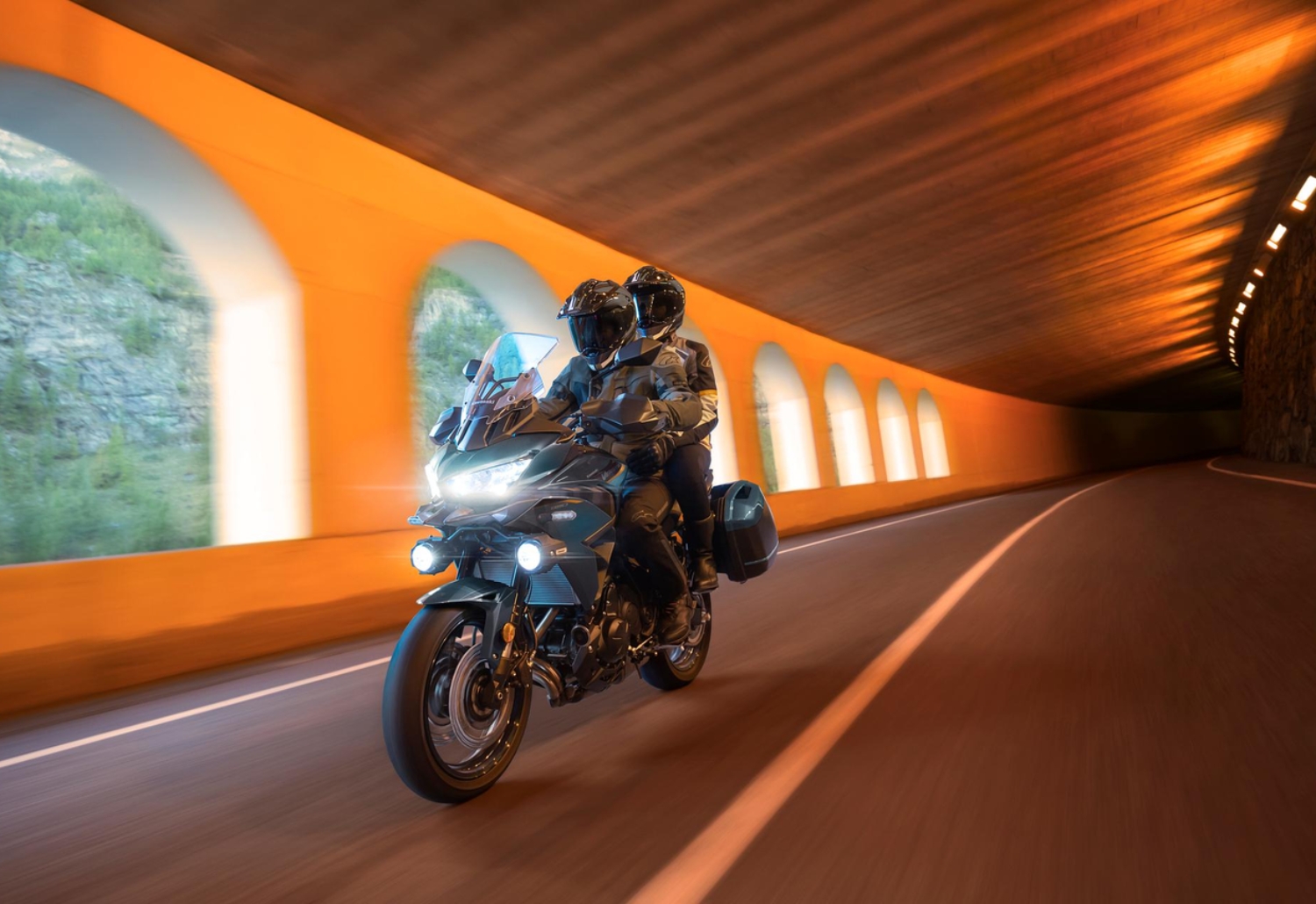
long distance motorcycling
Comfort Is the Real Luxury
Long rides expose weaknesses quickly. An uncomfortable seat. Bad ergonomics. Poor wind protection. Weak luggage integration. Tiny annoyances turn frustrating after hundreds of miles. That is why integrated motorcycle luggage systems matter so much. Touring luggage should feel built into the motorcycle, not awkwardly strapped onto it. The same goes for riding posture.
The best ergonomic long-distance bikes reduce wrist strain, ease back pressure, and let riders stay relaxed for hours instead of constantly shifting around. Because touring is not about surviving the ride.
It is about enjoying it. Additional touring-focused upgrades such as heated grips, cruise control, and adaptive rider modes are increasingly becoming practical necessities rather than luxury extras for frequent riders.
Conclusion
The rise of Real-World Touring motorcycles reflects something riders have quietly understood for years: comfort, usability, and confidence matter more than chasing extreme performance numbers. Whether commuting during the week or heading out for long-distance adventures, the best touring bikes are the ones that adapt to actual roads, changing weather, and everyday demands without becoming exhausting to manage. A motorcycle designed for real-world riding conditions does not need to be the loudest or fastest machine in the room. It simply needs to make riders want to keep going when the road stretches further than expected.