
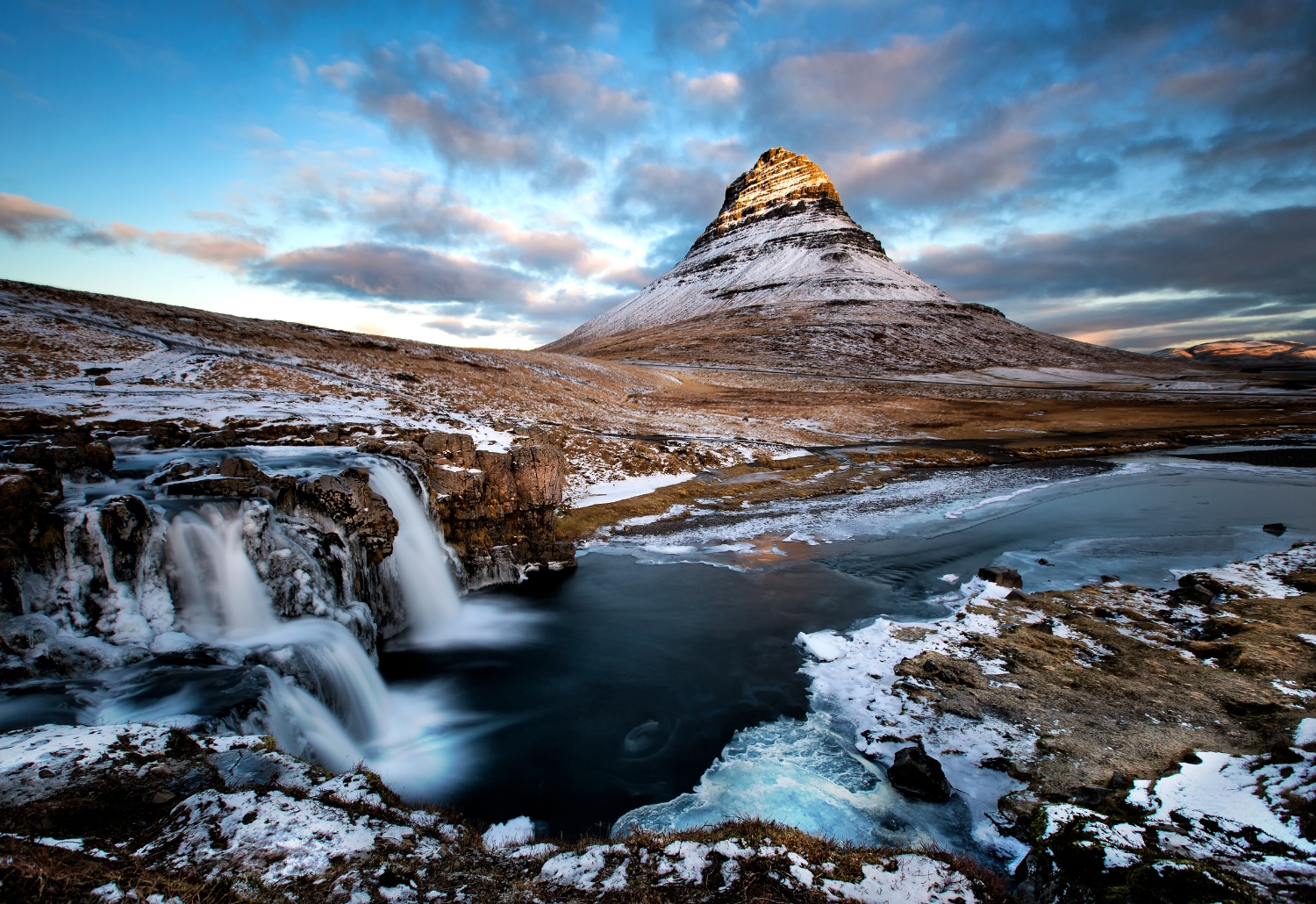
Coolcation trends 2026
Something’s changed this year. You can feel it. Instead of chasing the usual beach-heavy itineraries, travelers are quietly shifting direction. Northbound. Cooler places. Cleaner air. Fewer crowds.
That’s where Coolcation trends 2026 come in. It’s not just about escaping heat. It’s about rethinking what a “good summer trip” actually feels like. And honestly? It makes sense.
Why Heatwave Travel Just Doesn’t Work Anymore
Let’s be real—summer travel in the South has started to feel exhausting. High temperatures. Packed streets. Constant fatigue. Heatwave avoidance travel is no longer optional. It’s practical. People are realizing that spending hours outside in 40°C heat isn’t relaxing. It’s draining.
Added context: rising temperatures have quietly shifted travel behavior more than pricing or trends ever did. So instead of adapting to the heat, travelers are avoiding it altogether.
Scandinavian Summer Travel Feels Different
Now picture this. Clear skies. Light breeze. Long daylight hours that stretch into midnight. That’s Scandinavian summer travel right now. Places like Norway and Sweden offer something rare—comfort. You can walk, explore, sit outdoors, and actually enjoy it without constantly searching for shade or air conditioning.
Sustainable travel in Norway is also gaining traction. Quiet fjord cruises. Low-impact experiences. Minimal noise, minimal stress. You’re not rushing through attractions. You’re slowing down. And that shift changes everything.
Coolcation Trends 2026 and the Rise of the Alps
If Scandinavia is calm, the Alps are controlled luxury. The kind where silence feels intentional. Alps hiking trips aren’t just about trekking anymore. They’ve evolved into high-end, experience-driven stays. Think eco-lodges, panoramic views, and air that feels noticeably lighter.
Here’s the catch—this isn’t rugged travel anymore. It’s curated. You wake up to mountain air. Not traffic. You spend your day moving, but without exhaustion. Even peak summer stays under 22°C in most areas. That’s a big reason why Coolcation trends in 2026 are pushing more travelers toward high-altitude escapes.
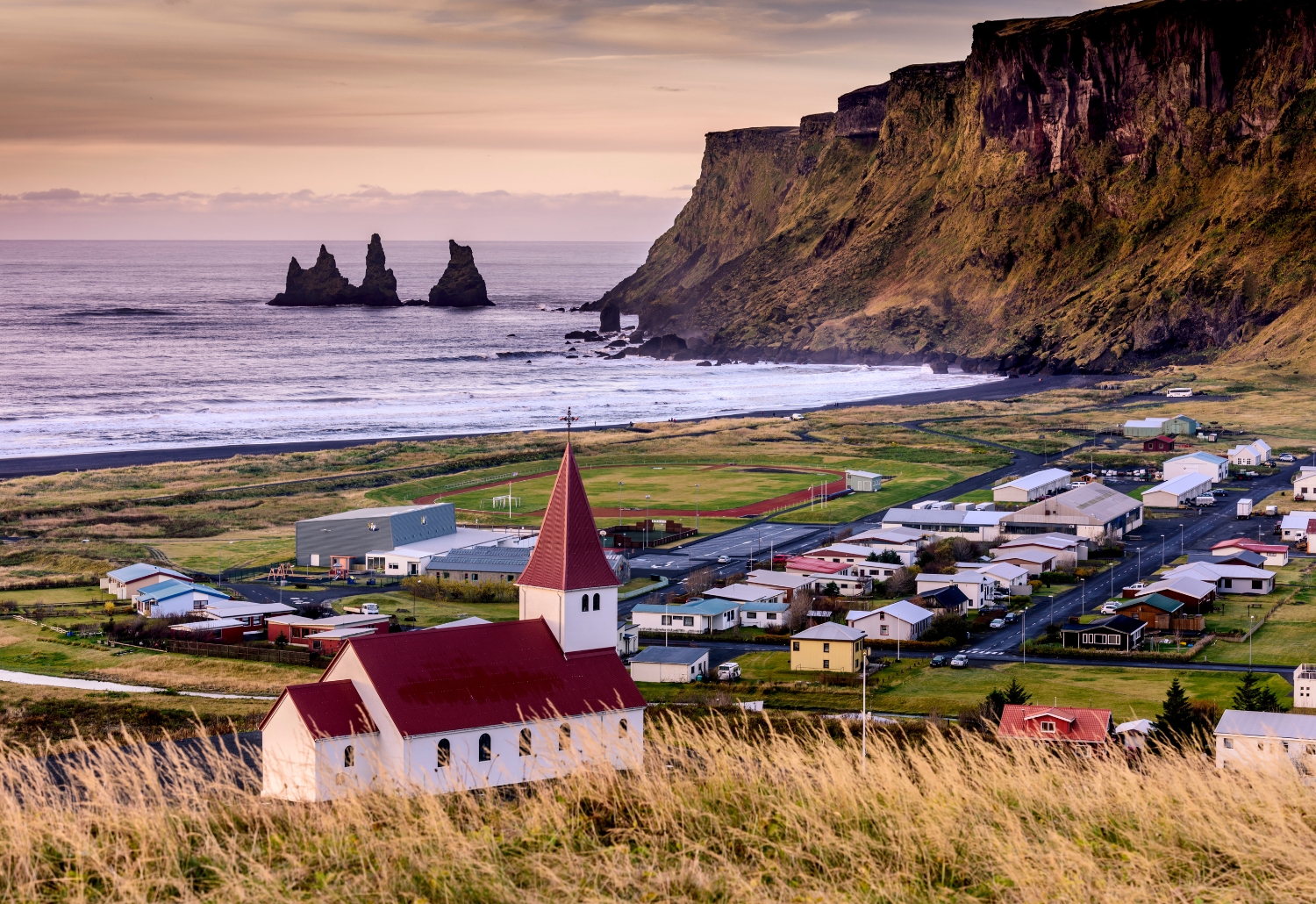
sustainable travel Norway
Iceland: The Edge of the Map Experience
Then there’s Iceland. Not for everyone. But perfect if you want something raw. An Iceland summer itinerary isn’t about comfort in the traditional sense. It’s about contrast. Black sand beaches. Glaciers. Empty landscapes that feel untouched. You won’t find the usual crowds here, especially outside Reykjavik. Instead, you get space. Silence. And a kind of clarity that’s hard to describe.
Important shift: overtourism fatigue is driving people toward destinations that feel less “curated” and more real.
Why Cooler Destinations Are Becoming the New Luxury
Luxury used to mean exclusivity. Now it means comfort. Cool air. Open space. Fewer people. That’s why Coolcation trends 2026 aren’t just a trend—they’re a response.
Travelers are prioritizing how they feel during a trip, not just where they go. It’s less about ticking destinations and more about enjoying the experience without physical strain. Even short trips feel better when you’re not constantly overheated.
Quick Tips for Planning a Coolcation
Book early—northern destinations are filling faster than expected
- Pack layers instead of heavy clothing
- Focus on experiences, not just locations
- Choose quieter regions over major cities
- Plan outdoor activities during extended daylight hours
Why This Shift Matters More Than You Think
This isn’t just about travel. It’s about lifestyle choices. Energy management. Even health.
When you travel in a cooler climate, your body responds differently. You move more. You sleep better. You enjoy the experience instead of recovering from it. That’s why Coolcation trends 2026 are gaining momentum so quickly. They solve a problem people didn’t realize had become this big.
Conclusion
Coolcation trends 2026 aren’t about avoiding popular destinations—they’re about choosing smarter ones. As temperatures rise and travel fatigue becomes more noticeable, people are naturally moving toward places that offer comfort without compromise. Scandinavia, the Alps, and Iceland aren’t just alternatives; they represent a shift in what travelers actually want from a summer escape. Less heat, more clarity. Less crowding, more space. And over time, this change is likely to reshape how we think about peak travel seasons altogether.