
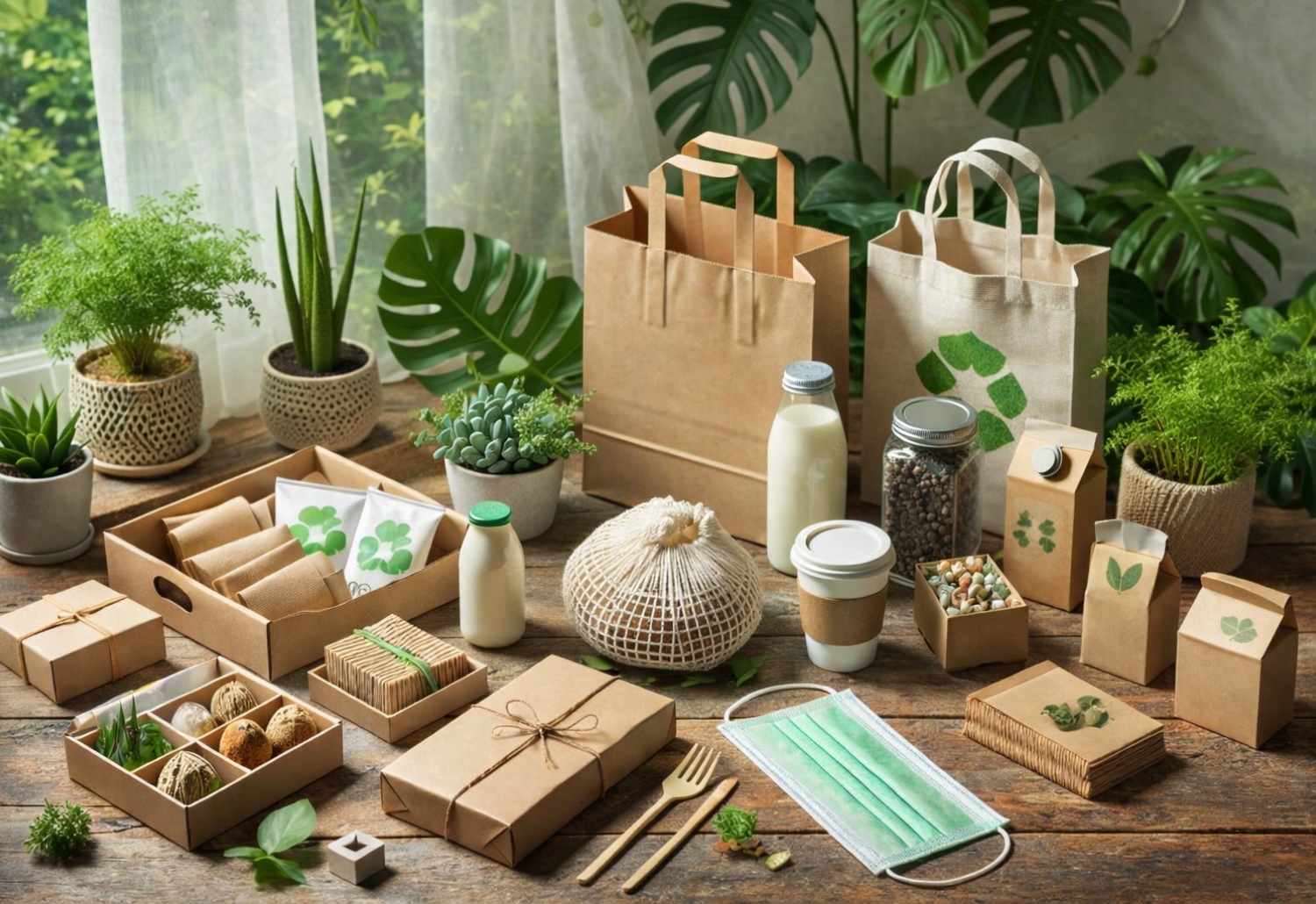
Sustainable packaging
If you run a business today, you’ve probably felt it. Customers are asking tougher questions. Packaging waste is under scrutiny. And somewhere in the middle of it all, you’re trying to balance cost, compliance, and growth.
It’s not easy.
For years, sustainable packaging felt like an added burden. A good decision ethically, but a difficult one financially.
That’s no longer true. In 2026, the shift is clear. Sustainable packaging is not just viable. It’s profitable.
Why the Economics Have Flipped
Let’s start with what changed. Raw materials for traditional packaging have become more expensive. Carbon-related costs are rising. Regulations are tighter.
At the same time, supply chains are evolving.
The result? The old “take-make-waste” model is now inefficient.
The circular economy 2026 approach is simply smarter. Less waste. More control. Better margins.
What used to be a cost is now an operational advantage. That’s where real Green ROI begins.
Lightweighting: Small Change, Big Impact
One of the easiest ways businesses are reducing business costs with eco-friendly packaging is through lightweighting. Switching to biodegradable materials or flexible packaging reduces overall shipping weight.
That means:
- Fewer shipments.
- Lower fuel costs.
- Less storage space.
Even a small reduction in packaging size can significantly cut warehouse fees and shipping penalties. This isn’t theory. It’s supply chain efficiency in action.
Packaging That Works Like an Asset
There’s also a mindset shift happening. Packaging is no longer disposable. It’s reusable. Trackable. Valuable. That’s where circular packaging as a service comes in. Instead of buying single-use materials, businesses are using refillable packaging models or shared systems.
Think of it this way.
You’re not paying repeatedly. You’re investing once and reusing. That’s one of the most practical examples of profitable circular economy business models for startups today.
The Mycelium Shift You Didn’t Expect
Materials are evolving too.
Mycelium packaging scale has reached a point where it competes directly with traditional foam-based packaging. It’s grown from organic waste, breaks down naturally, and avoids disposal costs. But here’s the interesting part. Customers notice it.
The texture. The look. The feel.
It creates a different kind of unboxing experience. One that feels intentional. And that experience often translates into higher retention and organic brand visibility, which indirectly offsets packaging costs.
Smart Packaging Is Doing More Than You Think
Packaging isn’t just physical anymore. Smart packaging QR codes are turning boxes into communication tools.
Instead of printed inserts, customers scan and access instructions, product details, or even reordering options. This reduces printing costs immediately. But more importantly, it creates a direct link between the product and the customer. For a zero waste business, that’s powerful. You’re reducing waste while increasing engagement.
Where the Real Returns Come From
Sustainable packaging ROI doesn’t come from one change.
It comes from multiple improvements working together.
- Lower logistics and storage costs through lightweighting
- Reduced regulatory risk with a plastic-free supply chain
- Higher customer retention from eco-friendly branding
- Elimination of disposal and waste-related expenses
- Better data and engagement through smart packaging
Each layer adds value. Over time, the impact compounds.
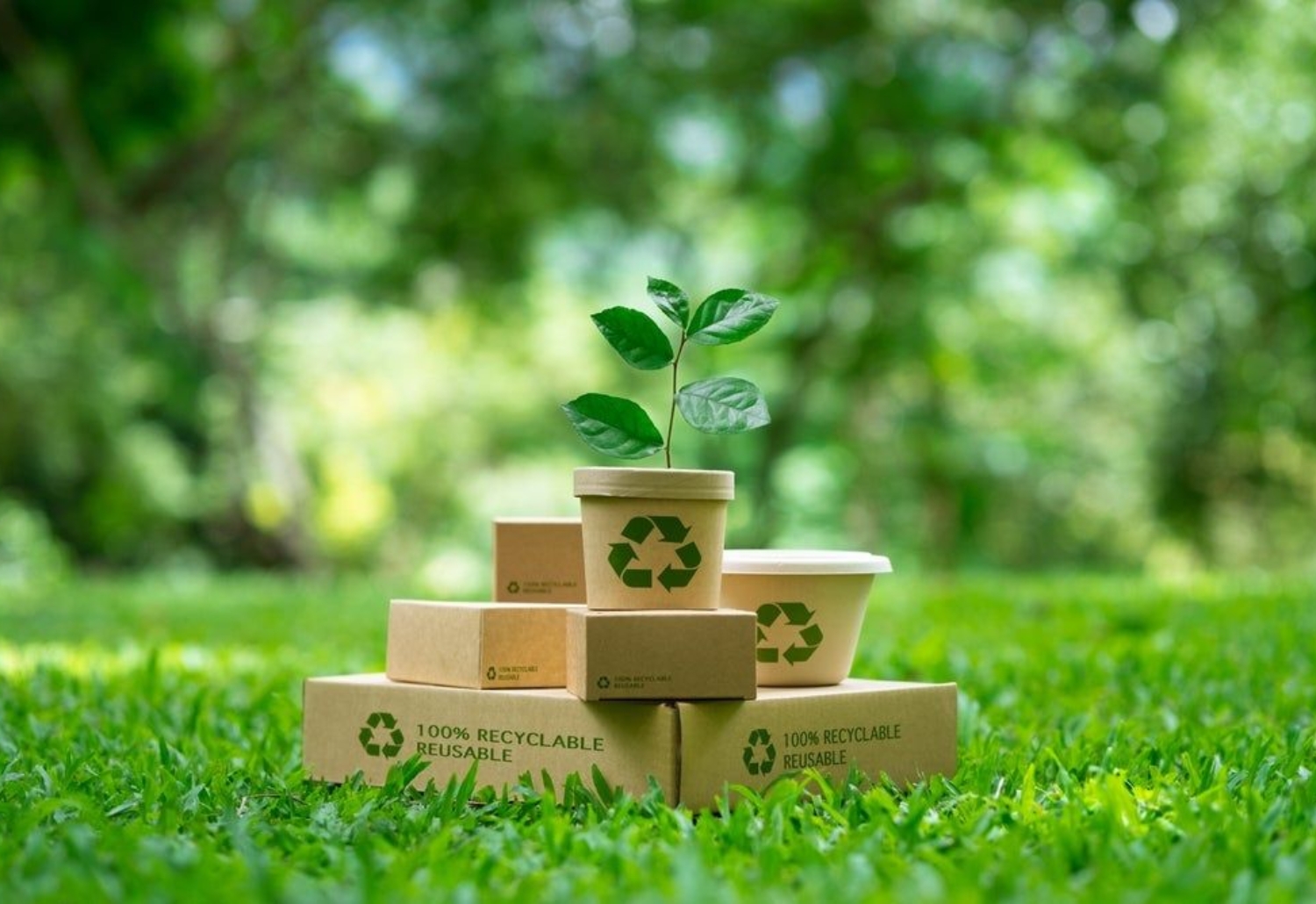
Green packaging strategies
The ESG Factor You Can’t Ignore
There’s another angle that’s becoming harder to overlook.
Investors are paying attention. A strong ESG strategy now plays a role in how businesses are evaluated. Companies that show commitment to carbon footprint reduction and sustainable practices are seen as lower risk. That translates into better funding opportunities. Stronger valuations. More trust. In practical terms, sustainability is now tied directly to long-term business stability.
What This Means for You
You don’t need to overhaul everything overnight.
Start small.
Switch one product line. Test one material. Adjust one process. The goal isn’t perfection. It’s progress. And once you see the cost savings and operational improvements, scaling becomes easier.
Conclusion
The idea that sustainability hurts profitability is outdated. In 2026, how sustainable packaging pays for itself is no longer a question. It’s already happening.
Businesses are cutting costs, improving efficiency, and strengthening customer relationships—all through smarter packaging decisions. It’s not about doing more for the planet at the expense of your margins. It’s about building a system where both move forward together. And the businesses that understand this early won’t just keep up.
They’ll lead.